Choosing LVP Flooring Colors That Match Your Home
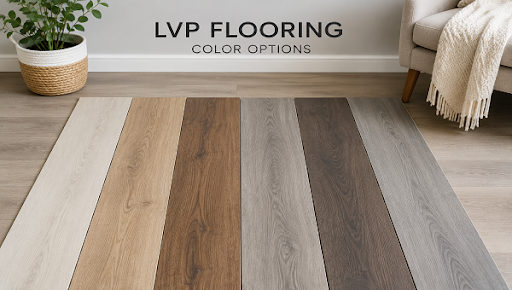
Choosing a floor color can feel harder than choosing the flooring material itself. I may like several shades, but each one can change how a room looks and feels. A light floor can make a space feel open, while a dark floor can add warmth and depth. Therefore, I always compare the flooring color with the walls, furniture, cabinets, and natural light before making a final choice.
When I explore flooring options, I look for colors that support the home instead of fighting with it. Sam’s Flooring offers many LVP shades that can work with modern, traditional, farmhouse, and simple interior styles. For homes across the United States, LVP remains a practical option because it combines the look of wood with easier care and strong daily performance.
In this guide, I will explain how I choose LVP flooring colors that match a home. I will also cover light and dark shades, undertones, room size, lighting, furniture, cabinets, open layouts, and common color mistakes.
Key Takeaways
- Light LVP colors can make small or dark rooms feel brighter and more open.
- Warm, cool, and neutral undertones should match the walls, cabinets, and furniture.
- Flooring samples should always be checked inside the room during different times of the day.
Why LVP Flooring Color Matters
Flooring covers a large part of every room, so its color has a strong effect on the full design. When I compare options such as brown LVP flooring, I do not look at the plank alone. Instead, I place it beside the wall paint, cabinets, rugs, and main furniture pieces.
The right color can make separate parts of the room feel connected. For example, a warm brown floor can support wooden furniture and cream walls. Meanwhile, a soft gray floor can connect white cabinets, black fixtures, and cooler paint colors.
However, the wrong color can make a room feel unbalanced. A floor with a yellow undertone may clash with pink-beige walls. Likewise, a blue-gray floor may look cold beside orange-toned cabinets.
Therefore, I focus on undertones before deciding whether a color is simply light, dark, gray, or brown.
Understand Warm, Cool, and Neutral Undertones
Every flooring color has an undertone. Although two planks may both look brown, one may contain red or gold tones, while the other may lean gray or green.
Warm Undertones
Warm LVP colors often include:
- Honey
- Gold
- Red-brown
- Caramel
- Chestnut
- Warm beige
I like warm flooring when the home has cream walls, beige furniture, wood cabinets, or gold-toned hardware. These colors create a welcoming and comfortable appearance.
Warm floors also work well in traditional and farmhouse-style homes. However, very orange or red flooring can feel dated when paired with modern gray walls.
Therefore, I usually choose a softer warm brown instead of a strong red tone.
Cool Undertones
Cool LVP colors may include:
- Gray
- Blue-gray
- Charcoal
- Cool taupe
- Ash brown
- Silver
I often use cool flooring in modern interiors because it works well with white, black, navy, and pale gray.
Cool flooring can also create a clean appearance. However, it may make a room feel cold if the space lacks warm lighting, fabric, or wooden furniture.
Therefore, I balance cool floors with soft rugs, natural wood, warm bulbs, or cream-colored fabrics.
Neutral Undertones
Neutral LVP colors sit between warm and cool. They may include soft beige, greige, natural oak, or muted brown.
I often recommend neutral colors because they work with a wider range of furniture and wall paint. In addition, they can remain attractive even when the homeowner changes the décor.
Neutral flooring works especially well in open floor plans because it can connect several rooms without becoming too strong.
Choose Light LVP for Smaller Rooms
Light LVP colors can make a small room feel wider and brighter. They reflect more light, so they work well in bedrooms, apartments, hallways, and compact living rooms.
I often choose light oak, pale beige, soft greige, or whitewashed wood for rooms with limited windows.
However, I avoid floors that look completely washed out. A little grain and color movement can add depth without making the floor feel busy.
Light flooring also shows less dust than very dark flooring. However, it may show mud, dark spills, and marks more clearly.
Therefore, I consider the household’s daily habits before making a choice. A home with children, pets, or heavy foot traffic may need a light-medium shade rather than an almost white floor.
Use Medium Tones for a Balanced Look
Medium-toned LVP is one of the easiest options to use. It adds warmth and depth without making the room feel too dark.
I often recommend natural oak, medium brown, warm greige, and soft walnut colors. These shades work well with many wall colors and furniture styles.
Medium floors can also hide dust, crumbs, and small marks better than very light or very dark floors.
In addition, they can help large rooms feel comfortable without making small rooms feel closed in.
For many homes in The United States, medium-toned LVP offers a practical balance between style and daily care.
Choose Dark LVP Carefully
Dark flooring can create a rich and dramatic appearance. Deep brown, espresso, charcoal, and black wood tones can look elegant in the right space.
However, I use them carefully because dark floors absorb light. Therefore, they may make small or poorly lit rooms feel tighter.
Dark flooring works best when the room has:
- Large windows
- Light-colored walls
- Pale cabinets
- Good artificial lighting
- Open space
- Limited clutter
I also consider cleaning. Dark floors often show dust, pet hair, and footprints more clearly.
Still, dark LVP can create beautiful contrast with white cabinets or cream walls. Therefore, I do not avoid it completely. I simply make sure the room can support the visual weight.
Match LVP Flooring With Wall Colors
Wall color and flooring should work together, but they do not need to match exactly.
When walls have warm shades, I usually choose warm or neutral flooring. For example, cream walls can work with honey oak, soft brown, or beige LVP.
When walls have cool shades, gray, ash, or neutral greige flooring may create a better connection.
White walls offer more flexibility. However, white paint can have warm, cool, or neutral undertones. Therefore, I still compare the samples carefully.
I avoid choosing a floor and wall color that look almost the same. Without enough contrast, the room can feel flat.
Instead, I create a small difference in tone. For example, light beige walls can pair with medium brown flooring, while pale gray walls can work with natural oak.
Coordinate LVP With Kitchen Cabinets
Kitchen cabinets and floors take up a large amount of visual space. Therefore, their colors need to support one another.
With white cabinets, I can use light oak, medium brown, gray, greige, or even dark flooring. The best choice depends on whether I want a soft or bold contrast.
With dark cabinets, I usually prefer lighter flooring. This keeps the kitchen from feeling too heavy.
Natural wood cabinets require more care. I do not try to match the wood color exactly because slightly different wood tones can look like a mistake.
Instead, I choose a floor that has a different but related tone. For example, medium oak cabinets can work with light greige flooring or a deeper neutral brown.
Gray cabinets pair well with neutral oak, soft brown, or carefully selected gray floors. However, I avoid using too many different gray undertones in one room.
Match the Floor With Furniture
Furniture can help me decide whether the flooring should be lighter, darker, warmer, or cooler.
When a room contains dark furniture, lighter flooring can create balance. Likewise, light furniture can stand out nicely against medium or dark flooring.
However, contrast should not become too sharp. A black sofa on a nearly white floor may feel disconnected unless rugs and accessories connect the colors.
Wood furniture also matters. I do not need to match every wooden item with the floor. In fact, using slightly different wood tones can make the room feel natural.
Still, I look for one shared detail, such as a similar undertone. Warm walnut furniture can work with natural oak flooring when both contain warm brown notes.
Consider the Amount of Natural Light
Lighting changes flooring color throughout the day. A plank that looks warm in a showroom may look gray inside the home.
Therefore, I always bring samples into the actual room.
In a north-facing room, natural light may feel cooler. As a result, cool gray flooring can look even colder. I may choose a warmer greige or natural oak to create balance.
In a south-facing room, sunlight often feels warmer and stronger. Therefore, both warm and cool floors may work well.
Rooms with little natural light usually benefit from light or medium flooring. However, strong artificial lighting can also support a deeper shade.
I check samples in the morning, afternoon, and evening. This simple step can prevent a costly color mistake.
Use LVP Color to Support Your Interior Style
The home’s design style can guide the flooring color.
Modern Style
For a modern room, I often choose soft gray, natural oak, neutral brown, or pale greige. Clean grain patterns usually work better than highly rustic designs.
Farmhouse Style
Farmhouse interiors work well with warm oak, weathered brown, whitewashed wood, and natural grain patterns.
However, I avoid floors that look heavily distressed unless the rest of the home supports that style.
Traditional Style
Traditional homes often suit warm brown, walnut, chestnut, and medium oak.
These colors create depth and work well with classic furniture and cream walls.
Coastal Style
For coastal interiors, I like pale oak, sandy beige, driftwood gray, and soft whitewashed tones.
These colors help the room feel light and relaxed.
Industrial Style
Industrial spaces may support charcoal, gray-brown, dark oak, or weathered wood.
However, I add warm furniture or fabrics so the room does not feel too cold.
Select the Right Color for Open Floor Plans
An open floor plan requires careful flooring choices because the same surface may continue through the kitchen, dining area, hallway, and living room.
I usually choose a neutral or medium-toned LVP for these spaces. It creates a stable background while allowing each area to have different furniture and wall colors.
A strong red, orange, or blue-gray floor may limit future design choices. Therefore, neutral oak, natural brown, and greige often provide more flexibility.
I also use rugs to define separate areas. For example, a large rug can mark the living area without changing the flooring.
The same flooring across connected rooms can make the home feel larger. In addition, it removes awkward transition strips between spaces.
Decide Between Brown and Gray LVP
Brown and gray remain two common LVP color groups. However, each creates a different mood.
Brown floors usually feel warm, natural, and welcoming. They work well with cream, beige, green, and many wood tones.
Gray floors often feel modern, calm, and clean. They work well with white, black, navy, and cooler wall colors.
Still, pure gray can feel cold or become difficult to match. Therefore, I often prefer greige or gray-brown flooring.
When considering LVP flooring grey, I check whether the shade has blue, green, beige, or brown undertones. This helps me avoid conflicts with the cabinets, walls, and furniture.
Avoid Common LVP Color Mistakes
One common mistake is choosing a flooring color in the showroom without checking it at home. Showroom lights can change the appearance of the plank.
Another mistake is following trends without considering the home. A popular gray floor may not work with warm cabinets and beige walls.
I also avoid matching the floor too closely with cabinets or furniture. Slight differences in tone can make the combination look unplanned.
In addition, I do not select flooring from one small sample alone. LVP planks often contain several colors and grain patterns.
Therefore, I place multiple planks on the floor to understand the full appearance.
Finally, I consider future changes. A neutral floor may work with new wall paint or furniture later, while a strong color may limit my options.
Test Samples Before Making a Final Choice
Before buying LVP, I place several samples in the room where the flooring will be installed.
I move them near windows, cabinets, furniture, and walls. Then, I look at them during different times of the day.
I also place the samples flat on the floor. Holding them upright can change how the light hits the surface.
For homes throughout the United States, lighting, climate, home style, and room size can vary greatly. Therefore, testing samples inside the actual space remains one of the most important steps.
I also check how the color looks beside door frames, trim, and nearby flooring. This helps create smoother transitions between rooms.
Final Thoughts
Choosing LVP flooring colors that match a home requires more than selecting a shade that looks attractive online.
I consider the room size, natural light, wall color, cabinets, furniture, and overall interior style. In addition, I study the undertones to make sure the flooring works with the other surfaces.
Light floors can make small rooms feel open, while medium colors provide balance and easier care. Dark floors can add elegance, but they need enough light and space.
I also prefer colors that can support future design changes. Neutral brown, natural oak, soft greige, and balanced gray often provide long-term flexibility.
Ultimately, the best LVP color should make the home feel connected, comfortable, and complete. By testing samples and comparing every major surface, I can choose flooring that supports the full design instead of becoming a separate feature.

As a lifelong DIY enthusiast, Alex Barton is never afraid to go the extra mile to save a few bucks! From seamless interior decor hacks to effective DIY home renovation tips, he shares a myriad of his experiences for you to unleash your creativity.