How to Choose the Right Hot Water System for Your Needs?
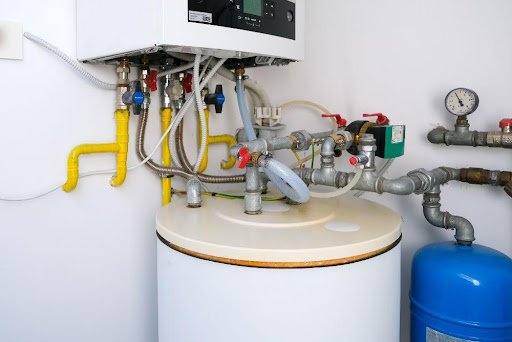
Ever jumped into the shower on a cold winter morning only to be met with a blast of icy water? Or perhaps you’ve noticed your energy bills creeping up and wondered if your old hot water system is to blame? Choosing the right hot water system for your home isn’t just about comfort—it’s about efficiency, cost savings, and making a choice that works for your household for years to come.
With so many options available in Australia, from traditional electric systems to modern heat pumps and solar solutions, finding the perfect fit can feel overwhelming. Each system comes with its own set of benefits, running costs, and installation requirements. What works brilliantly for a family of five in Brisbane might be completely wrong for a couple living in Melbourne.
In this guide, we’ll walk you through everything you need to know about selecting the ideal hot water system. We’ll cover the different types available, help you work out what size you need, and break down the costs involved. By the end, you’ll have all the information you need to make a confident, informed decision that suits both your lifestyle and your budget.
Understanding the Different Types of Hot Water Systems
1. Electric Hot Water Systems
Electric hot water systems remain one of the most common choices in Australian homes. They’re relatively affordable to purchase and straightforward to install, making them popular for first-time homeowners or those on a tight budget.
These systems work by using an electric element to heat water, either stored in a tank or on demand. Storage systems keep water hot and ready to use, while instantaneous models heat water as you need it. Electric systems are reliable and require minimal maintenance.
However, they can be expensive to run, particularly if you’re on a standard electricity tariff. Many households opt for off-peak tariffs to reduce costs, heating water during cheaper overnight periods.
2. Gas Hot Water Systems (Natural Gas vs LPG)
Gas systems offer an excellent balance of efficiency and running costs. They heat water quickly and tend to be cheaper to operate than electric systems, especially in areas with natural gas connections.
Natural gas is typically more affordable than LPG (liquefied petroleum gas), but LPG remains a solid option for properties without mains gas access. Both types are available in storage and continuous flow configurations.
Gas systems produce fewer greenhouse emissions than standard electric systems, making them a more environmentally friendly choice. They’re particularly popular in cooler climates where hot water demand is high.
3. Solar Hot Water Systems
Solar hot water systems harness Australia’s abundant sunshine to heat your water. They consist of roof-mounted solar collectors connected to a storage tank, using free energy from the sun.
While the upfront cost is higher than conventional systems, solar hot water can slash your energy bills by up to 90%. Most systems include a gas or electric booster for cloudy days, guaranteeing you never run out of hot water.
These systems work best in areas with good sun exposure and are particularly cost-effective in northern Australia. Government rebates can significantly reduce the purchase price, making them more accessible than ever.
4. Heat Pump Hot Water Systems
Heat pumps work like a refrigerator in reverse, extracting warmth from the surrounding air to heat your water. They’re incredibly energy efficient, using up to 70% less electricity than traditional electric systems.
These systems perform well in most Australian climates, though they work most efficiently in warmer regions. They’re an excellent choice for households looking to reduce their carbon footprint without installing solar panels.
Heat pumps do produce some noise during operation, so placement matters. Installing them away from bedroom windows keeps everyone happy.
5. Instantaneous vs Storage Hot Water Systems
The choice between instantaneous (continuous flow) and storage systems depends on your household’s hot water habits. Instantaneous systems heat water on demand, providing an endless supply but with limited flow rates.
Storage systems keep a tank of hot water ready to go, ideal for households with high simultaneous demand—think morning shower rushes. However, they lose heat over time (standby losses) and take up more space.
Instantaneous systems are more compact and can be more energy efficient since they only heat water when needed. Storage systems suit larger families who need lots of hot water available at once.
What Size Hot Water System Do I Need?
1. Calculating Your Household’s Hot Water Usage
Getting the size right is crucial. Too small, and you’ll run out of hot water mid-shower. Too large, and you’ll waste money heating water you don’t use.
Start by counting the number of people in your household and considering your hot water habits. Do you have multiple bathrooms? Does everyone shower in the morning? Do you run the dishwasher and washing machine frequently with hot water?
A good rule of thumb is to allow approximately 50 litres of storage capacity per person for off-peak electric systems. For gas storage systems, you can work with smaller tanks since they reheat faster.
2. Recommended Tank Sizes by Household Size
Here’s a quick guide to help you choose:
– 1-2 people: 125-160L electric or 90-135L gas storage
– 3-4 people: 250-315L electric or 135-170L gas storage
– 5+ people: 315-400L electric or 170L+ gas storage
For instantaneous systems, focus on flow rate instead. A family of four typically needs a system delivering 20-26 litres per minute to handle simultaneous use.
3. What Happens If You Choose the Wrong Size?
Choosing too small means cold showers and frustrated family members. You might also overwork your system, shortening its lifespan as it constantly struggles to meet demand.
Going too large wastes energy keeping excess water hot. With storage systems, you’re essentially paying to heat water that sits unused, driving up your bills unnecessarily.
Which Hot Water System Is Most Energy Efficient?
1. Comparing Running Costs Across System Types
Running costs vary dramatically between system types. Solar and heat pump systems offer the lowest ongoing expenses, often costing just $100-200 annually to run.
Gas systems typically cost $300-500 per year, while standard electric systems can reach $500-800 or more depending on tariffs. These figures vary based on usage, local energy prices, and system efficiency.
Over a 10-year period, choosing an efficient system could save you thousands of dollars—money that far outweighs the higher initial purchase price.
2. Understanding Energy Star Ratings
Energy star ratings help you compare efficiency across similar products. More stars mean better efficiency and lower running costs.
Look for systems with higher ratings but remember to compare like with like. A highly rated electric system will still cost more to run than an average gas system in most cases.
3. Long-Term Savings vs Upfront Costs
While solar and heat pump systems cost more upfront, they often pay for themselves within 5-7 years through energy savings. After that, you’re essentially enjoying free hot water.
Consider your long-term plans. If you’re staying in your home for many years, investing in efficiency makes sense. For shorter stays, a more affordable conventional system might be practical.
How Much Does It Cost to Install a Hot Water System in Australia?
Purchase Price Breakdown by System Type
Expect to pay:
– Electric storage: $400-1,500
– Gas storage: $800-2,000
– Gas instantaneous: $700-2,500
– Heat pump: $2,500-5,000
– Solar: $3,000-7,000
Installation Costs and What Affects Them
Installation typically adds $300-1,500 to your total cost. Factors affecting price include system type, accessibility, whether you’re replacing like-for-like, and any plumbing or electrical modifications needed.
Gas systems require a licensed gasfitter, while solar installations involve roof work. Always get multiple quotes from licensed professionals.
Government Rebates and Incentives Available
Federal and state governments offer various rebates for efficient hot water systems. Small-scale Technology Certificates (STCs) can reduce heat pump and solar costs by $500-1,000 or more.
Check your state’s current programs—rebates change regularly. Your installer can usually help you claim available incentives.
How Long Do Hot Water Systems Last?
Average Lifespan by System Type
Different systems have varying lifespans:
– Electric storage: 10-15 years
– Gas storage: 8-12 years
– Gas instantaneous: 15-20 years
– Heat pump: 10-15 years
– Solar: 15-20 years (panels often last longer)
Signs Your Hot Water System Needs Replacing
Watch for rusty water, strange noises, leaks around the tank, inconsistent temperatures, or water that doesn’t get as hot as it used to. If your system is over 10 years old and experiencing issues, replacement often makes more sense than repairs.
What Is the Best Hot Water System for a Family of Four?
For a typical family of four, a gas instantaneous system or a 250-315L electric storage system works well. Heat pumps are excellent if you’re happy with the higher upfront investment for long-term savings.
Consider your location, existing connections, and budget. A gas continuous flow system offers endless hot water and good efficiency, while heat pumps maximise savings over time.
Is a Heat Pump Hot Water System Worth It?
Absolutely, for many households. Despite costing more initially, heat pumps offer exceptional efficiency and qualify for government rebates that reduce the price gap.
They’re particularly worthwhile if you have solar panels (run them during the day for virtually free hot water) or want to reduce your environmental impact without major renovations.
Key Factors to Consider Before Making Your Decision
1. Climate and Location Considerations
Your local climate effects system performance. Solar systems excel in sunny regions, while heat pumps work better in warmer areas. Gas systems perform consistently regardless of weather.
2. Available Energy Sources at Your Property
Not all properties have natural gas connections. Check what’s available—this might immediately narrow your options or influence which system offers the best value.
3. Environmental Impact and Sustainability Goals
If reducing your carbon footprint matters to you, heat pumps and solar systems offer the lowest emissions. Pairing any electric system with rooftop solar panels also dramatically reduces environmental impact.
Making the Right Choice for Your Home
Choosing the right hot water system comes down to balancing your household’s needs, budget, and long-term goals. There’s no single “best” system—only the best system for your specific situation.
Take time to assess your hot water usage, consider available energy sources, and think about how long you plan to stay in your home. Factor in both upfront costs and ongoing running expenses to get the full picture.
Whether you opt for a simple electric system, an efficient heat pump, or go all-in with solar, making an informed choice now will keep your showers warm and your bills manageable for years to come. Don’t rush the decision—your future self will thank you every time you step into a perfectly heated shower.

As a lifelong DIY enthusiast, Alex Barton is never afraid to go the extra mile to save a few bucks! From seamless interior decor hacks to effective DIY home renovation tips, he shares a myriad of his experiences for you to unleash your creativity.