Pre Purchase Building Inspection: A Smart Step Before Buying Property
Have you ever fallen head over heels for a property, only to discover hidden problems after you’ve signed on the dotted line? What if that dream home turned out to be a money pit with structural issues lurking beneath its charming facade? And wouldn’t you rather know about potential deal-breakers before you commit to the biggest purchase of your life?
Buying a property in Australia is exciting, but it’s also a massive financial commitment. Whether you’re a first-time buyer or a seasoned investor, the stakes are incredibly high. A pre purchase building inspection acts as your safety net, helping you make an informed decision rather than an emotional one. It’s the difference between walking into a purchase with your eyes wide open and stumbling into costly surprises down the track.
In this guide, we’ll explore everything you need to know about pre purchase building inspections. From understanding what inspectors actually look for, to decoding your report and knowing when to walk away, we’ve got you covered. You’ll learn how to choose a qualified inspector, what common problems pop up in Australian homes, and whether the investment is truly worth it. Let’s get stuck into it.
What Is a Pre Purchase Building Inspection?
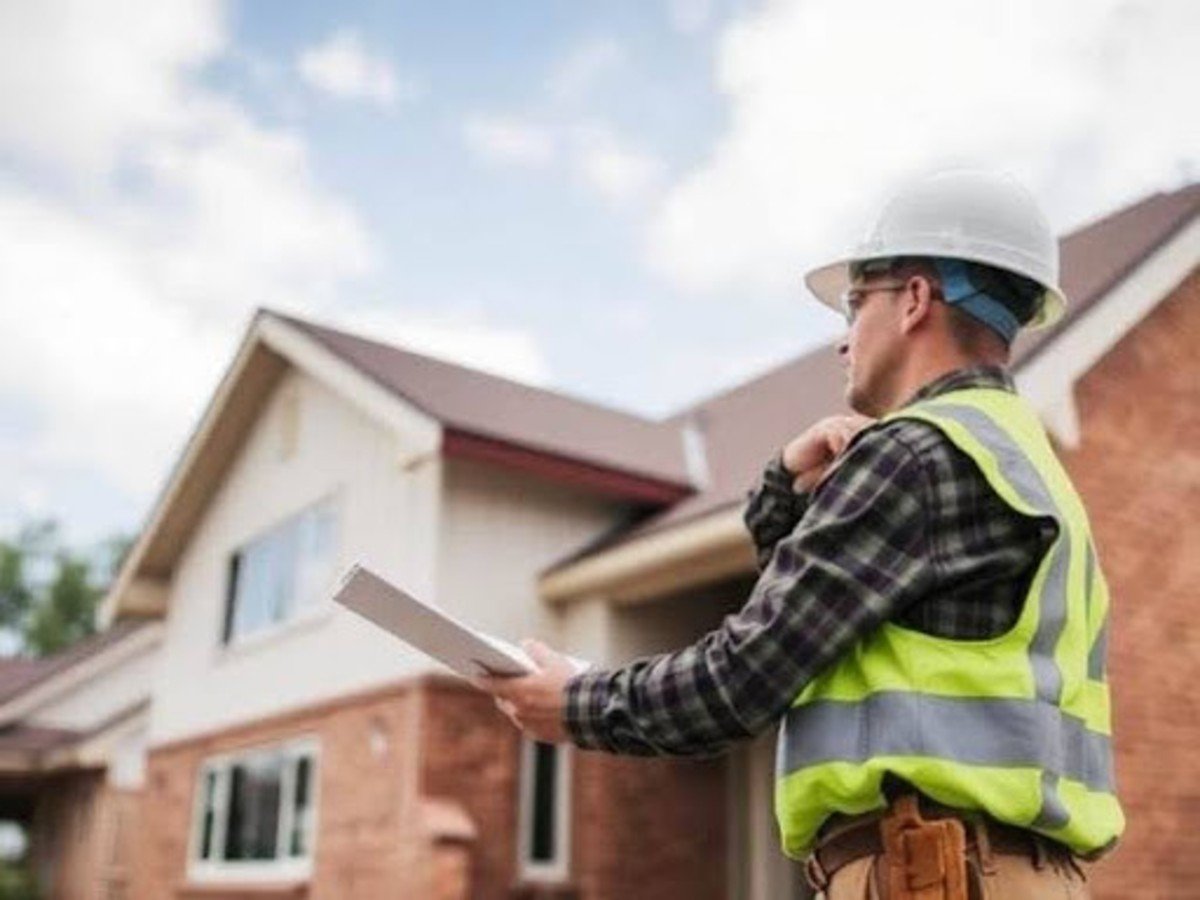
A pre purchase building inspection is a thorough examination of a property’s condition before you buy it. A qualified inspector checks the structural integrity and overall state of the building, then provides you with a detailed report. Think of it as a health check for your potential new home.
What Does a Building Inspector Actually Check?
Building inspectors examine both the interior and exterior of the property. Inside, they’ll look at walls, ceilings, floors, windows, and doors for any signs of damage or defects. They’ll check the roof space for structural issues, ventilation problems, and evidence of leaks.
Outside, the inspection covers the roof, gutters, drainage systems, and external walls. Inspectors also assess things like balconies, decks, fences, and retaining walls. They’re trained to spot warning signs that most buyers would miss entirely.
The Difference Between a Building Inspection and a Pest Inspection
While building inspections focus on structural issues and defects, pest inspections specifically look for termites and other timber pests. Many inspectors offer combined packages, which makes sense given that pest damage can cause significant structural problems. Getting both done together saves time and often money.
Why Do You Need a Building Inspection Before Buying a House?
Purchasing property without an inspection is like buying a car without looking under the bonnet. You might get lucky, but you’re taking a massive gamble with your hard-earned money.
Uncovering Hidden Defects and Structural Issues
Properties can look absolutely stunning on the surface while hiding serious problems underneath. Cracks might be concealed with fresh paint, and water damage could be lurking behind new plasterboard. A trained inspector knows exactly where to look and what red flags to watch for.
Structural issues, in particular, can cost tens of thousands of dollars to repair. Foundation problems, load-bearing wall damage, and roof defects aren’t always visible to the untrained eye. An inspection brings these issues to light before they become your expensive problem.
Avoiding Costly Surprises After Settlement
There’s nothing worse than moving into your new home and discovering major repairs are needed. Without an inspection, you have no comeback once settlement occurs. The property is yours, problems and all.
An inspection report gives you a clear picture of what you’re buying. You’ll know about any maintenance issues, safety concerns, or upcoming repairs. This knowledge helps you budget properly and avoid nasty financial surprises.
Gaining Negotiation Power with Sellers
If problems are uncovered during the inspection, you’ve got leverage. You can request the seller fix issues before settlement, negotiate a lower purchase price, or ask for a credit to cover repair costs.
Many buyers have saved thousands by using inspection findings in negotiations. It’s a powerful tool that puts you in a stronger position at the bargaining table.
How Much Does a Pre Purchase Building Inspection Cost in Australia?
Inspection costs typically range from $300 to $700, depending on various factors. For a combined building and pest inspection, expect to pay between $400 and $900.
Factors That Affect Inspection Pricing
The size and age of the property play a significant role in pricing. Larger homes take longer to inspect, and older properties often require more thorough examination. Location matters too, with metropolitan areas generally charging more than regional centres.
Additional features like pools, granny flats, or extensive outbuildings will increase the cost. Some inspectors charge extra for detailed photographic reports or thermal imaging technology.
Is a Building Inspection Worth the Investment?
Absolutely. When you’re spending hundreds of thousands on a property, a few hundred dollars for peace of mind is a no-brainer. The inspection could save you from purchasing a property with $50,000 worth of hidden defects.
Even if the inspection reveals nothing concerning, you’ll have confidence in your purchase. That reassurance alone is worth the cost.
What Happens If Issues Are Found During the Inspection?
Don’t panic if your inspection report lists problems. Nearly every property has some issues, and understanding what’s serious versus what’s minor is key.
Understanding Your Building Inspection Report
Reports categorise findings by severity and urgency. You’ll see items marked as requiring immediate attention, ongoing maintenance, or simple monitoring. Good reports include photographs and clear explanations of each issue.
Take time to read through the entire document carefully. If anything is unclear, call the inspector and ask questions. They should be happy to explain their findings in plain language.
Minor Defects vs Major Structural Problems
Minor defects might include things like cracked tiles, sticking doors, or minor weathering. These are normal wear and tear items that won’t break the bank to fix. Major structural problems, on the other hand, include foundation movement, significant roof damage, or load-bearing wall issues.
The distinction matters enormously. Minor issues shouldn’t derail a purchase, but major structural problems require serious consideration and professional quotes before proceeding.
Can You Walk Away from a Property After a Bad Inspection?
If your contract includes a building inspection clause, you can typically withdraw from the purchase if significant defects are found. This is precisely why having this clause in your contract is so important.
Walking away is sometimes the smartest decision. No matter how much you love a property, some problems simply aren’t worth taking on.
When Should You Book a Pre Purchase Building Inspection?
Timing your inspection correctly can make or break your property purchase, so getting it right is essential.
Timing Your Inspection During the Buying Process
For private sales, book your inspection during the cooling-off period or make your offer subject to a satisfactory building inspection. This gives you time to receive the report and make an informed decision before you’re legally committed.
Don’t leave it until the last minute. Inspectors can get busy, especially in hot markets, so booking early ensures you won’t miss crucial deadlines.
Inspections at Auction vs Private Sale Properties
Auction purchases are trickier because there’s no cooling-off period. You’ll need to arrange your inspection before auction day. Yes, this means paying for an inspection on a property you might not win, but the alternative is buying blind.
Some buyers have inspections done on multiple properties before successfully purchasing. Consider it an investment in your due diligence.
How to Choose a Qualified Building Inspector
Not all inspectors are created equal. Choosing the right one can mean the difference between a thorough assessment and a superficial once-over.
What Qualifications Should a Building Inspector Have?
Look for inspectors with relevant building qualifications and professional indemnity insurance. Membership in professional associations demonstrates commitment to industry standards. Experience matters too, particularly with properties similar to the one you’re considering.
In Australia, qualification requirements vary by state, so check what applies in your location. At minimum, your inspector should hold appropriate licences and insurance coverage.
Questions to Ask Before Hiring an Inspector
Ask about their experience, qualifications, and what’s included in the inspection. Find out how long the inspection takes and when you’ll receive the report. Check whether they offer combined building and pest inspections.
Request a sample report to see the level of detail they provide. A thorough inspector won’t mind answering your questions—they understand you’re making an important decision.
Common Problems Found During Pre Purchase Inspections in Australia
Australian properties face unique challenges thanks to our climate and local conditions. Knowing what to expect helps you understand your report better.
Structural Damage and Foundation Issues
Soil movement, particularly in areas with reactive clay soils, causes significant structural problems across Australia. Cracks in walls, uneven floors, and sticking doors can all indicate foundation movement.
Roofing and Drainage Concerns
Damaged or deteriorating roofing is incredibly common, especially in older properties. Poor drainage can lead to water pooling around foundations, causing long-term structural damage.
Moisture, Dampness, and Ventilation Problems
Insufficient ventilation in subfloor areas and roof spaces creates moisture problems. Rising damp, condensation, and mould growth affect both the property’s structure and your health.
Should First Home Buyers Always Get a Building Inspection?
Without question, yes. First home buyers often stretch their budgets to get onto the property ladder. The last thing you need is unexpected repair costs eating into your savings.
An inspection protects your investment and gives you confidence in your decision. It’s one of the smartest moves you can make as a new buyer.
Protecting Your Investment with a Pre Purchase Building Inspection
Throughout this guide, we’ve explored why pre purchase building inspections are absolutely essential for property buyers in Australia. From uncovering hidden defects to providing negotiation leverage, the benefits far outweigh the modest cost involved.
Making an informed decision about property requires more than just falling in love with a kitchen or backyard. It means understanding exactly what you’re buying, problems and all. A qualified building inspector gives you that crucial knowledge, empowering you to negotiate confidently or walk away when necessary.
If you’re planning to buy a property in Victoria, choosing a trusted provider for a pre purchase building inspection in Melbourne can help you identify hidden issues before settlement and give you greater confidence in your investment.
So before you sign that contract, do yourself a favour and book an inspection. Your future self—and your bank account—will thank you for it. After all, peace of mind is priceless when you’re making the biggest purchase of your life.

As a lifelong DIY enthusiast, Alex Barton is never afraid to go the extra mile to save a few bucks! From seamless interior decor hacks to effective DIY home renovation tips, he shares a myriad of his experiences for you to unleash your creativity.