The Benefits of Using Digital Architecture Models for Construction Projects

Digital models have changed everything in the fast-paced world of building design. In the past, architects and engineers used 2D sketches. These old methods often led to mistakes and wasted time.
Now, the US construction industry uses Building Information Modeling (BIM). This technology creates detailed 3D models that show exactly how a building will look and work before construction starts.
Using digital models makes work more accurate and helps teams work together better. It ensures every building meets high standards. By using BIM services, architects and contractors can simplify their work and avoid costly errors. Moving from paper to digital models is more than a trend. It is a complete change in how America builds.
How Digital Architecture Models Improve Project Efficiency?
Digital architecture models play a crucial role in enhancing the efficiency of construction projects. Their ability to provide detailed, accurate, and scalable designs before construction even begins results in numerous benefits.
Improved Accuracy and Precision
With traditional design methods, discrepancies often arise between the plans and the actual structure due to manual errors or misinterpretations. With Architectural BIM Services, architects can:
- Create detailed 3D models that reflect the final building exactly.
- Detect and resolve design issues early to avoid manual errors.
- Ensure perfect measurements, reducing the need for costly rework.
Real-Time Collaboration Across Teams
The fact that digital architecture models can inspire real-time collaboration is one of the greatest benefits of these models. Here’s how the BIM helps collaborative work between architects, engineers, contractors, and other stakeholders:
- Provides a shared digital space.
- Ensures all stakeholders work from the same up-to-date information.
- Syncs design changes automatically across all teams to prevent delays.
The Cost-Saving Benefits of Using Digital Architecture Models
Cost overruns and delays are common challenges in the construction industry, but Architectural BIM Services can significantly reduce these risks by streamlining the design and construction processes.
- Minimized Waste: Predicts exact resource needs to optimize materials and labor.
- Early Identification of Issues: Uses “clash detection” to fix design conflicts before building begins.
- Reduced Change Orders: Clearer communication leads to fewer unexpected project changes.
Streamlining the Construction Process with BIM Technology
The construction business is complicated and the timeline, budget and quality of a project should be planned and coordinated. The digital architecture models also offer a tool that facilitates the teams in streamlining the whole construction process.
In-Depth Visual Planning
- Replaces flat blueprints with immersive 3D models for better clarity.
- Shows exactly how all building parts and systems connect.
- Helps teams identify the most efficient construction methods visually.
Streamlining, Scheduling and Sequencing
- Simulates the entire project lifecycle to predict workflows.
- Identifies potential bottlenecks or problem areas before they occur.
- Allows contractors to manage tasks and timelines more effectively.
How Digital Models Improve Client Engagement
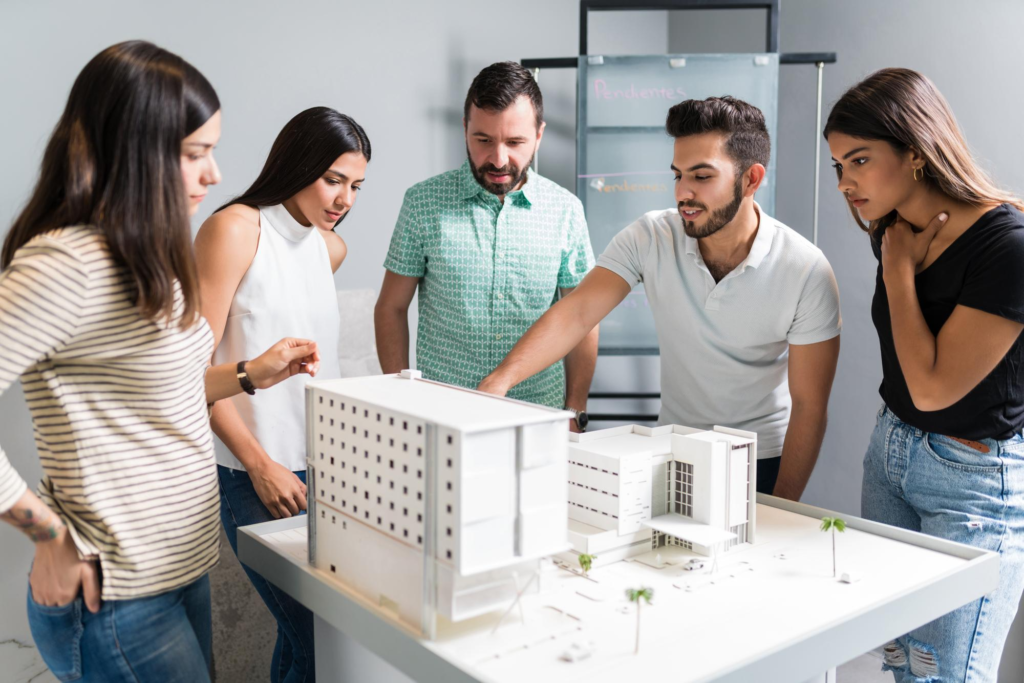
Engaging clients in the design and construction process is vital, and digital architecture models provide a dynamic tool for improving client communication.
Visualizing Design Concepts
With digital models, clients can visually explore their projects before construction begins. Architectural design services using BIM technology allow clients to
- “Walk through” future spaces in a realistic 3D environment.
- Get a clear understanding of the project that static 2D drawings cannot match.
- Feel empowered to make faster, more informed decisions before construction starts.
Live Design Feedback and Design Changes
The real-time BIM capability to update models enables clients to give instant feedback of changes.
- Enables real-time updates so clients can see the impact of their requested changes immediately.
- Visualizes how adjustments to layouts or materials affect the overall design.
- Boosts client satisfaction by ensuring the final product aligns perfectly with their vision.
The Future of Architectural BIM Services Construction
The introduction of Architectural BIM Services into construction projects is not the only step. With the continued improvement in technology, digital architecture models would also be utilized more in influencing the future of the industry.
Immersive Technologies (AR/VR)
- Integrating Augmented Reality (AR) and Virtual Reality (VR) for deeply immersive design reviews.
- Allows stakeholders to interact with digital models and visualize complex designs in 3D space.
AI-Driven Optimization
- Future AI solutions will automate design changes and optimize building codes.
- Further streamlines the entire construction process from planning to execution.
Conclusion
Architectural BIM Services have broken the ground in the construction industry by giving detailed, accurate and collaborative digital models which enhance efficiency, reduce cost and enhance communication. Through these kinds of services, teams can collaborate real-time, detect and solve issues early and produce quality projects within the budget and on schedule. Since the construction industry is steadily adopting the use of digital tools and technologies, the role of BIM will continue to expand, making the process of building, constructing, and maintaining buildings even better.
FAQs:
1. What do Architectural BIM Services entail?
Architectural BIM Services entail the construction of detailed 3D models of buildings through the use of the Building Information Modeling (BIM) technology. With such models, architects, engineers and contractors can work more effectively, with greater precision and less expenses, as they are able to detect the possible problems at an early stage.
2. What benefits does the BIM technology have on construction projects?
BIM technology enhances building works by giving a digital representation that aids employees to organize more properly, recognize structure defects at the initial phase, use of materials efficiently and improves scheduling. It results in saving of costs, reduction in delays and better project delivery.
3. What advantages can clients get when using digital architecture models?
The digital architecture models can be used to the advantage of clients who can view their project prior to the construction process. These models enable customers to test the ideas of the design in 3D and give their feedback and make the right decisions to ensure the overall output matches their expectations.
4. Will the BIM technology keep evolving in construction?
Yes, the BIM technology will keep on developing as augmented reality (AR), virtual reality (VR) and artificial intelligence (AI) are involved. The new innovations are going to design processes even more and allow even greater immersion and effective collaboration in the construction projects of the future.

As a lifelong DIY enthusiast, Alex Barton is never afraid to go the extra mile to save a few bucks! From seamless interior decor hacks to effective DIY home renovation tips, he shares a myriad of his experiences for you to unleash your creativity.