The Property Paradox: How is the Indian Real Estate Sector Earning More from Selling Less?
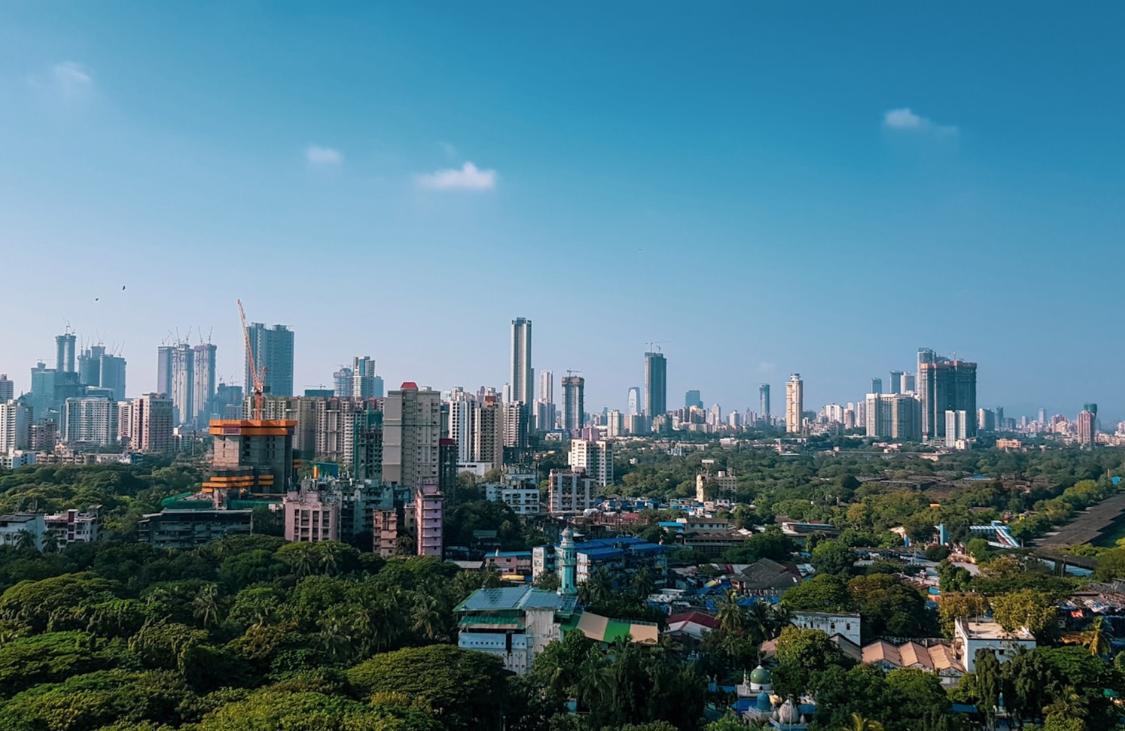
Recently, an article published in the Economic Times stated that the overall property sales in the third quarter of 2025, across India’s top 7 cities, dropped by 9% year-on-year. But what’s noticeable is the overall sales value, which shot up by 14%.
So, what’s the reason behind this paradox? And most importantly, how can the overall sales value increase when the number of properties being sold has been reduced? We have discussed each of those details in this blog. So, let’s stick till the end to know how the Indian real estate is earning from selling less units.
A New Phase in Indian Real Estate Trends
The real estate sector in the Indian market is going through a brand new phase. And this time, it’s not the affordable housing segment that’s taking the lead!
Instead, it’s the luxury and premium property segment that is driving substantial growth and redefining the success metrics.
According to reports published by the ANAROCK Group, in the Financial Year of 2025, nearly 4.22 lakh properties were sold across the seven leading urban cities in India. The total value of this massive sale amounted to a whopping ₹5.59 lakh crore! And that’s not even the surprising part!
What’s about to blow your mind is the fact that the property analysts at the ANAROCK Group have projected that this massive amount is expected to grow further and reach approximately ₹6.65 crore. And this massive spike will be backed by two factors-
- Higher property prices
- Demand for premium properties.
As stated by Mr. Anuj Puri, the Chairman of ANAROCK Group, “India’s housing market is seeing a clear value-led growth. Demand in the premium and luxury segments continues to remain strong, even as affordable housing slows due to high property prices and borrowing costs. Developers are aligning their launches to this new demand reality. Luxury and upper mid-segment homes now account for a much larger share of overall sales. Buyers today prefer bigger homes, better amenities, and quality living spaces.”
So, that clearly explains the current paradox of the Indian housing market.

Reasons why India’s Real Estate is Earning More from Less Sales
Now, let’s take a look at some of the practical reasons that have brought about this paradoxical situation in the real estate market-
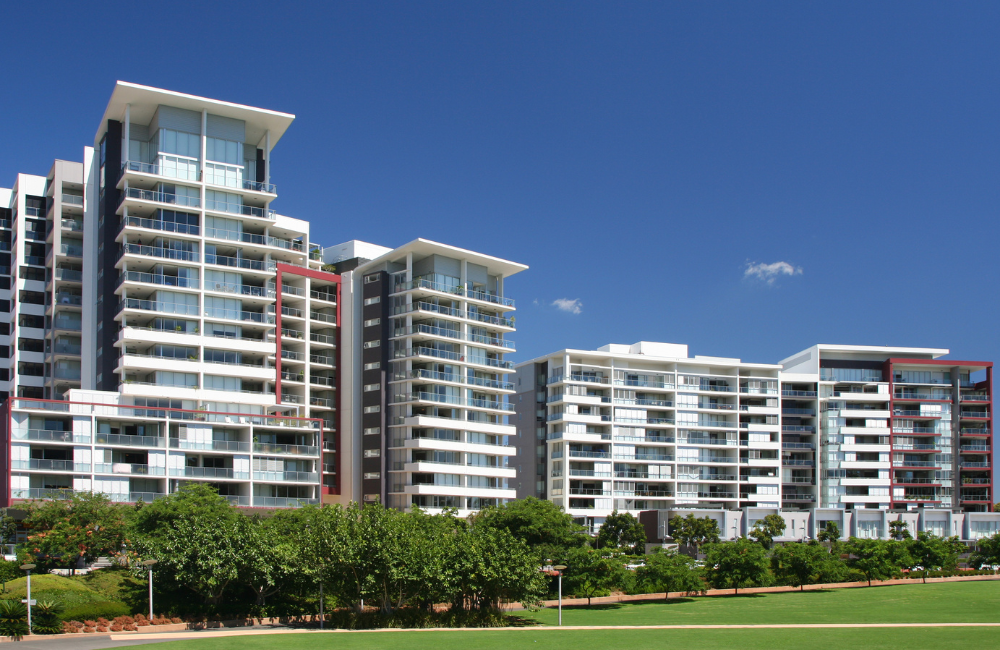
- A massive surge in the supply of luxury properties
One of the very crucial reasons has to be the sudden surge in the supply of premium and fancy properties. Instead of focusing on the small and affordable segment, builders and developers across India have prioritized luxury and ultra-luxury properties.
In fact, about 42% of new properties launched across the seven major cities- Mumbai, Delhi, Chennai, Bengaluru, Pune, Hyderabad, and Kolkata– fall into the premium category.

- Increasing rate of affluent buyers
Another one of the reasons behind the luxury real estate growth in Indian markets has to be an increase in the number of affluent buyers. There is a growing pool of people who have higher disposable incomes. Not just that, but many people have also liquidated themselves by selling off their businesses or company shares. Besides that, the trend among NRIs to invest in premium properties in their homeland has also boosted the demand for the premium property segment.
- A shift in developer tactics
Real estate developers across India are making a deliberate choice and are focusing on quality over quantity. They are intentionally reducing their inventory of those affordable, low-margin homes and are investing most of their resources behind developing premium properties. While this is making it challenging for the massive middle-class population to own a property, it can be considered a smart move from a business perspective. How so?
Well, the demand for premium properties is raising the average ticket size. This means the average price of a single property they are selling is eventually earning them more profit, and therefore, bringing in more revenue.
Note: If you were planning to establish your new real estate business in the current market, this particular strategy, along with 7 additional ones, can help you capitalize on the high-margin opportunities.

- Increasing costs of land and construction
Lastly, the basic costs of building a property are rising significantly. Presently, the cost of acquiring land and labor required for construction has shot up. What’s most interesting is that macroeconomic factors, like President Trump’s tariff effect on real estate market, have also significantly influenced the rising costs of raw materials for construction.
Added to these costs, developers who have a strong reputation market are charging a premium price for that brand value. So, a buyer is literally paying the extra charges for the brand and the reliability that comes with it. These factors, when put together, eventually increase the per-square-foot cost of a property. And that’s why the Indian real estate housing sales value has increased substantially, despite the dip in transactions.
A Glimpse Into Property Sales Across the Seven Cities
Now, if you take a look at real estate performance across Indian cities, you’ll see that it varies widely. For instance, while Delhi NCR and Chennai are leading the race of overall value growth, cities like Mumbai and Pune are moving at a slower pace.
Let’s take a closer look.
- Delhi NCR: 29,175 properties sold worth ₹75,859 crore, which comprises 74% of the total sales value of the financial year 2025.
- Chennai: 11, 670 properties sold worth ₹12, 370 crore, which comprises 71% of the total sales value of the financial year 2025.
- Mumbai: 61, 540 properties sold worth ₹1 lakh crore, which comprises 45% of the total sales value of the financial year 2025.
- Bengaluru: 29, 955 properties worth ₹43, 627 crore sold.
- Pune: 32, 030 properties worth ₹30, 324 crore sold.
- Hyderabad: 22, 345 properties worth ₹30, 646 crore sold.
- Kolkata: 7,655 properties worth ₹5,429 crore sold.
According to Mr. Puri, the real estate demand in India has totally shifted from volume-driven to value-driven. He further adds, “Developers are focusing on quality and positioning rather than quantity, and this is reshaping how real estate is perceived as an investment.”
However, real estate experts and consultants are warning about a serious side effect of this trend. According to them, a majority of buyers will get squeezed out of the market because of affordability issues. So, if developers or the government want this growth to be a long-term affair, they will need to figure out ways to make housing affordable again.
F.A.Qs:
1. What is the current situation of real estate in India?
The current real estate market in India is in a paradoxical situation! That’s because, although the number of properties sold across the seven major cities is less, the total sales value has increased significantly.
2. What is the next big thing in real estate?
Some of the next big things that the Indian real estate market is yet to witness are-
- Diversification of commercial real estate.
- Technological integration.
- Affordable luxury housing.
3. Is it a good time to buy real estate in India?
Owing to the surging prices and growth in demand for luxury properties, 2025 might be a favorable time to invest in real estate in India.
4. Are property prices going to fall?
Owing to the high demand for luxury properties and the current trend, it is highly unlikely that property prices are going to fall anytime soon!

As a lifelong DIY enthusiast, Alex Barton is never afraid to go the extra mile to save a few bucks! From seamless interior decor hacks to effective DIY home renovation tips, he shares a myriad of his experiences for you to unleash your creativity.