How Much Do Stone Benchtops Cost? Complete Price Guide
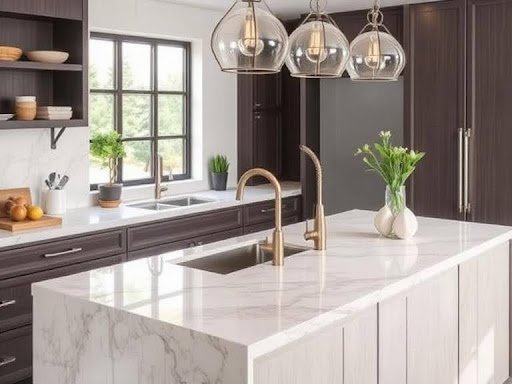
Are you dreaming of a stunning new kitchen but wondering if stone benchtops will break the bank? Perhaps you’re renovating and trying to figure out which stone material gives you the best bang for your buck? Or maybe you’ve heard wildly different prices and aren’t sure what’s actually reasonable in Australia?
You’re not alone. Stone benchtops remain one of the most sought-after kitchen upgrades across the country, yet pricing can feel like a complete mystery. The truth is, costs vary dramatically depending on the type of stone, your kitchen layout, and where you’re located. What one homeowner pays in Sydney might differ significantly from quotes in Perth or Brisbane.
In this complete price guide, we’ll break down everything you need to know about stone benchtop costs in Australia. From budget-friendly options starting around $200 per square metre to premium selections exceeding $1,500 per square metre, we’ll explore what influences these prices and help you make an informed decision. By the end, you’ll understand the different stone types available, what affects pricing, and how to get the best value for your investment.
What Are the Different Types of Stone Benchtops?
Natural Stone Options (Granite, Marble, Quartzite)
Natural stone benchtops offer timeless beauty that’s hard to replicate. Granite remains a popular choice thanks to its durability and unique patterns—no two slabs are identical. Marble exudes luxury and sophistication, though it requires more maintenance due to its porous nature. Quartzite, often confused with quartz, is actually a natural stone that’s incredibly hard and heat-resistant.
Engineered Stone (Reconstituted Quartz)
Engineered stone, made from roughly 90% crushed quartz mixed with resins and pigments, dominates the Australian market. Brands like Caesarstone, Silestone, and Essastone offer consistent colours and patterns. This option provides excellent durability without the maintenance demands of natural stone.
Porcelain Stone Benchtops
Porcelain benchtops have gained traction recently. These ultra-thin, large-format slabs resist scratches, heat, and UV damage. They’re lighter than traditional stone, which can reduce installation complexity.
How Much Do Stone Benchtops Cost Per Square Metre?
Budget-Friendly Stone Benchtop Options ($200–$400/m²)
If you’re working with a tighter budget, you’ll find options in this range. Entry-level engineered stone from lesser-known brands typically falls here. Some basic granite varieties also sit within this bracket. These options still look fantastic and perform well—they’re simply less exclusive colours or patterns.
Mid-Range Stone Benchtop Pricing ($400–$800/m²)
This is where most Australian homeowners land. Mid-range pricing covers premium engineered stone brands in popular colours, along with standard granite and some marble options. You’ll get excellent quality, durability, and a wide selection of colours and patterns.
Premium Stone Benchtop Costs ($800–$1,500+/m²)
Premium pricing applies to rare natural stones, exotic granites, and high-end marble varieties. Unique veining, unusual colours, and superior quality grades push prices into this territory. Some ultra-premium stones exceed $1,500 per square metre, particularly imported Italian marbles or rare quartzites.
What Factors Affect the Price of Stone Benchtops?
Stone Type and Quality Grade
The material you choose has the biggest impact on cost. Natural stones like marble and exotic granite command higher prices than standard engineered stone. Within each category, quality grades affect pricing too—premium grades feature fewer imperfections and more desirable patterns.
Thickness and Edge Profile Selection
Standard benchtop thickness sits around 20mm, but many homeowners prefer the substantial look of 40mm or 60mm edges. Thicker profiles cost more. Your edge profile selection also matters—simple square edges are cheapest, while bullnose, bevelled, or waterfall edges add to the total.
Colour and Pattern Rarity
Common colours and patterns cost less than rare or trending options. Whites and greys typically sit mid-range, while dramatic veining or unusual colours increase prices. Some trending colours carry premium pricing simply due to demand.
Kitchen Size and Layout Complexity
Larger kitchens obviously require more material. However, complexity matters too—L-shaped, U-shaped, or island configurations need more cuts and joins, increasing labour costs. Straight runs are the most cost-effective.
Cutouts for Sinks, Cooktops and Appliances
Every cutout adds to your quote. Undermount sinks, cooktop openings, and tap holes require precision cutting. Multiple cutouts can add hundreds to your final bill.
Are Stone Benchtops Worth the Investment?
Durability and Longevity Considerations
Stone benchtops last decades when properly cared for. Engineered stone resists staining and scratching, while natural stone—when sealed correctly—performs beautifully for years. Unlike laminate or timber alternatives, stone won’t peel, warp, or deteriorate quickly.
Impact on Property Value
Kitchen renovations consistently deliver strong returns on investment. Stone benchtops signal quality to potential buyers and can increase your property’s appeal significantly. Real estate agents often highlight stone benchtops as selling features.
Comparing Stone to Other Benchtop Materials
Compared to laminate ($150–$300/m²), stone costs more upfront but lasts considerably longer. Timber benchtops require regular maintenance, while stainless steel suits commercial kitchens better than residential spaces. For most homeowners, stone offers the best balance of aesthetics, durability, and long-term value.
What Is the Cheapest Type of Stone Benchtop?
Most Affordable Natural Stone Options
If natural stone appeals to you, certain granites offer excellent value. Black and grey granites from India and China sit at the affordable end. These stones look striking and perform well—they’re simply more abundant than rare varieties.
Budget Engineered Stone Brands
Entry-level engineered stone brands provide the stone look at lower prices. While they might not carry the prestige of Caesarstone or Silestone, they still offer durability and style. Ask your supplier about budget-friendly ranges—most carry affordable options alongside premium selections.
Installation Costs: What Should You Expect to Pay?
Professional Installation Fees in Australia
Installation typically adds $300–$600 to your total cost, depending on complexity. This covers templating, fabrication, delivery, and fitting. Some suppliers include installation in their square metre pricing, while others quote separately—always clarify what’s included.
DIY vs Professional Installation
Stone benchtops aren’t suitable for DIY installation. The weight, precision cutting requirements, and specialised tools needed make professional installation essential. Attempting DIY risks damaging expensive materials and could void warranties.
How to Get the Best Price on Stone Benchtops?
Timing Your Purchase
End of financial year and post-Christmas periods often bring sales. Suppliers may discount to clear stock or meet targets. If your timeline is flexible, waiting for promotions can save hundreds.
Comparing Multiple Quotes
Always get at least three quotes. Prices vary significantly between suppliers, even for identical materials. Just make sure you’re comparing like-for-like—including installation, delivery, and any extras.
Choosing Stock Colours Over Custom Options
Stock colours—those held in local warehouses—cost less than special orders. Custom colours might require importing, adding lead times and costs. Choosing from available stock saves money and speeds up your project.
Hidden Costs to Watch Out For
Templating and Delivery Fees
Some suppliers charge separately for templating (measuring your kitchen) and delivery. These can add $100–$300 each. Ask upfront what’s included in your quote.
Removal of Existing Benchtops
If you’re replacing old benchtops, removal and disposal might cost extra. Some installers include this; others charge $150–$300 depending on the material and complexity.
Structural Support Requirements
Heavy stone benchtops occasionally need additional cabinetry support. If your existing cabinets can’t handle the weight, reinforcement adds unexpected costs. This is particularly relevant for thick natural stone slabs.
Engineered Stone vs Natural Stone: Which Offers Better Value?
Engineered stone generally offers better value for most homeowners. It costs less than premium natural stones, requires minimal maintenance, and resists staining effectively. Natural stone appeals to those wanting unique patterns and willing to invest in ongoing care. Your decision should balance budget, maintenance preferences, and aesthetic priorities.
How Long Do Stone Benchtops Last?
With proper care, stone benchtops last 25–50 years or more. Engineered stone requires minimal maintenance—simply clean with mild soap and water. Natural stone needs periodic resealing (typically annually for marble, every few years for granite). Avoid harsh chemicals and excessive heat on any stone surface to maximise lifespan.
Conclusion: Making an Informed Decision on Your Stone Benchtop Investment
Choosing the right stone benchtop involves balancing your budget, aesthetic preferences, and practical requirements. Prices range from $200 per square metre for budget options to $1,500 or more for premium natural stones. Installation, cutouts, and hidden fees can add several hundred dollars to your final bill.
The key takeaway? Don’t just focus on the per-square-metre price. Consider the total installed cost, including all extras and potential hidden fees. Before making your final decision, it’s worth comparing current stone benchtops price estimates from reputable suppliers to ensure you’re getting the best value for your investment.
Ultimately, stone benchtops represent a worthwhile investment for most Australian homeowners. They’re durable, beautiful, and add genuine value to your property. Whether you choose budget-friendly engineered stone or splurge on exotic marble, you’re making a decision that’ll serve you well for decades to come. Take your time, do your research, and you’ll end up with a kitchen you absolutely love.

As a lifelong DIY enthusiast, Alex Barton is never afraid to go the extra mile to save a few bucks! From seamless interior decor hacks to effective DIY home renovation tips, he shares a myriad of his experiences for you to unleash your creativity.