Blocked Drains at Home: Easy Maintenance and When to Call an Expert
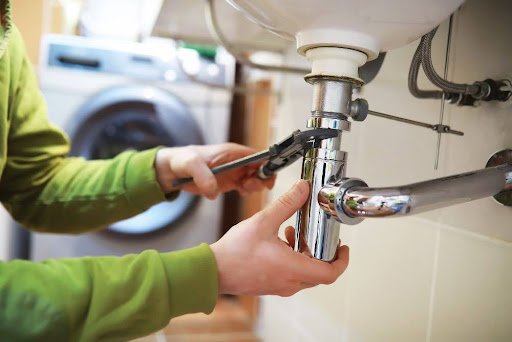
Blocked drains are one of those household problems that start small but can quickly turn into a major inconvenience. A slow-draining sink, a gurgling toilet, or an unpleasant smell coming from the bathroom are all early signs that something isn’t quite right beneath the surface. While many drainage issues can be handled with simple home maintenance, others require the trained eye and tools of a professional.
Understanding what causes blocked drains, how to prevent them, and when to seek expert help can save you time, money, and a lot of stress. Let’s take a closer look at how to manage blocked drains at home the smart way.
What Causes Blocked Drains in Homes?
Most household drain blockages build up gradually rather than happening overnight. Everyday activities often contribute without us noticing.
- Kitchen sinks: Grease, oil, food scraps, and coffee grounds are the main culprits. Hot fat may look harmless when poured down the drain, but it cools and hardens inside pipes, slowly narrowing the passage.
- Bathroom drains: Hair, soap residue, toothpaste, and small debris can combine over time into thick clumps that restrict water flow.
- Outdoor drains and sewer lines: Leaves, dirt, and tree roots can invade underground pipes, causing stubborn, recurring blockages that simple home remedies can’t fix
In many cases, Blocked Drains develop because of a combination of poor disposal habits and lack of routine maintenance.
Early Warning Signs You Shouldn’t Ignore
Catching a blockage early makes it much easier to fix. Some common warning signs include:
- Water draining slowly from sinks, showers, or bathtubs
- Gurgling sounds coming from pipes or toilets
- Unpleasant odours rising from drains
- Water backing up into sinks or floor drains
These symptoms usually mean a partial blockage is forming. At this stage, simple maintenance may be enough to clear it before it becomes a full obstruction.
Ignoring these signs often leads to complete blockages, pipe damage, and even water leaks that can harm floors, walls, and foundations.
Easy Home Maintenance to Prevent Blocked Drains
Prevention is always better than repair. A few simple habits can significantly reduce your risk of dealing with blocked drains.
1. Be mindful of what goes down the drain.
In the kitchen, avoid pouring grease, oil, and fat into the sink. Let them cool and dispose of them in the bin instead. Use a sink strainer to catch food scraps before they enter the pipes.
In the bathroom, install hair catchers in the shower and bath drains. These inexpensive tools trap hair before it builds up inside the pipe.
2. Flush drains regularly with hot water.
Once a week, pour a kettle of hot (not boiling) water down the kitchen and bathroom drains. This helps dissolve grease and soap residue before they harden.
3. Use natural cleaners for routine maintenance.
A mixture of baking soda and vinegar can help keep drains fresh and reduce minor buildup. Pour half a cup of baking soda down the drain, followed by a cup of vinegar. Let it fizz for 10–15 minutes, then flush with hot water.
4. Clean outdoor drains and gutters.
Remove leaves, dirt, and debris from external drains, especially after storms. This prevents blockages that can cause water to pool around your home.
With these simple steps, many Blocked Drains can be prevented before they start.
Simple DIY Methods to Clear Minor Blockages
If you already have a slow drain, there are a few safe methods you can try before calling a professional.
Use a plunger.
A good-quality plunger can be very effective for sinks, showers, and toilets. Create a tight seal and plunge firmly several times to loosen the blockage.
Try a drain snake or auger.
These flexible tools can reach deeper into pipes and pull out hair, food waste, and other debris that plungers can’t reach.
Hot water flush.
For grease-related blockages, repeated hot water flushes can sometimes melt and wash away the buildup.
Avoid using harsh chemical drain cleaners too often. While they may provide temporary relief, they can damage pipes over time and are harmful to the environment.
When DIY Isn’t Enough?
Not all blockages can be solved with home remedies. Some signs mean it’s time to stop experimenting and call an expert:
- Multiple slow or blocked drains: This may indicate a problem with the main sewer line, which a plunger can’t fix.
- Recurring blockages: If the same drain keeps blocking despite regular cleaning, there may be a deeper structural issue in the pipe.
- Persistent bad smells: Odours that remain after cleaning can point to trapped waste or sewer problems requiring professional equipment.
- Water backing up: Water returning through toilets, showers, or floor drains is a serious warning sign. Continuing to use the plumbing can cause flooding and property damage.
In these situations, dealing with Blocked Drains without professional help can make the problem worse and more expensive to fix later.
What Professionals Do Differently?
Professional plumbers use specialised tools and techniques that go far beyond DIY methods.
High-pressure water jetting can blast away stubborn grease, roots, and debris from inside pipes. Drain cameras allow plumbers to inspect the inside of pipes and locate the exact cause of the blockage without digging or guesswork.
For older homes, professionals can assess whether pipe corrosion, misaligned joints, or collapsed sections are contributing to repeated blockages.
An expert doesn’t just clear the drain — they identify the root cause and help prevent the problem from returning.
How Often Should You Schedule Professional Drain Maintenance?
Even if you don’t have active problems, regular professional inspections can be a smart investment.
For most households, a professional drain clean every one to two years is enough to keep the system in good condition. Homes with large families, older plumbing, or many trees nearby may benefit from more frequent checks.
Routine maintenance reduces the risk of emergency call-outs, water damage, and costly pipe replacements.
Long-Term Habits for Healthy Drains
Good drainage health comes down to consistent habits.
Teach everyone in the household what should and shouldn’t go down the drain. Wipe plates before washing, use strainers, and avoid flushing wipes, cotton pads, or sanitary products.
Keep an eye on how quickly water drains and address small changes early. A few minutes of maintenance each month can save hours of frustration later.
By combining smart daily habits with timely professional help, you can keep Blocked Drains from disrupting your home life.
Final Thoughts
Blocked drains are a common household problem, but they don’t have to be a constant one. With simple preventive care, early attention to warning signs, and knowing when to call an expert, you can protect your plumbing system and avoid unnecessary damage.
Home maintenance can handle minor issues, but persistent, severe, or recurring blockages should always be left to trained professionals. In the long run, a proactive approach is the best way to keep your drains flowing freely and your home running smoothly.
FAQs
1. Why should I avoid using chemical drain cleaners from the supermarket?
They can damage pipes, harm plumbing seals, and may only provide temporary relief.
2. What simple routines prevent kitchen and bathroom drains from clogging?
Avoid pouring grease down sinks, use drain strainers, remove hair regularly, and flush drains with hot water.
3. Why does my drain smell like rotten eggs or sewage?
It may indicate trapped waste, a dry P-trap, or a sewer issue.
4. Why do my drains keep blocking repeatedly even after I clear them?
Recurring blockages can signal buildup, damaged pipes, or deeper structural problems.

As a lifelong DIY enthusiast, Alex Barton is never afraid to go the extra mile to save a few bucks! From seamless interior decor hacks to effective DIY home renovation tips, he shares a myriad of his experiences for you to unleash your creativity.