Why Great Interior Design Always Starts Underfoot
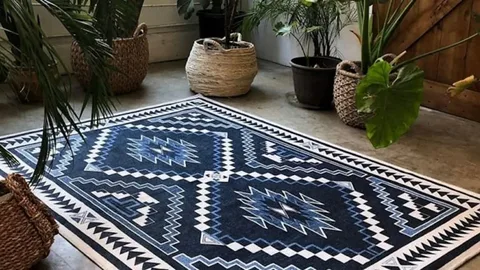
Picture this. You’ve spent weeks, maybe months picking out the perfect sofa. You’ve chased down fabric swatches, argued with yourself over paint chips, and finally pulled the trigger on curtains you genuinely love. And then you step back… and something’s just not right.
The room looks okay. Maybe even pretty good on paper. But it doesn’t feel right. There’s no warmth to it. No personality. It feels like a showroom instead of a home. Sound familiar?
Most people blame the furniture. Or the lighting. A few brave souls blame themselves. But here’s the thing: the problem usually started way before any of that. It started at the floor. Literally.
We almost always treat flooring as an afterthought. Something to sort out last, once everything else is in place. Designers, though? They flip that completely. The floor is decision number one. Always has been.
Let’s talk about why and how changing this one habit can make everything else fall into place much more naturally.
The Biggest Surface in the Room Deserves the First Decision
Here’s a little exercise. Mentally “unfold” your living room, peel the walls flat, lay the ceiling down. Now look at everything spread out in front of you. Your floor is still the largest single surface. By a lot. Nothing else even comes close.
That matters more than most people think. Your floor stretches across the entire room without a single break. No windows interrupting it, no doors cutting through it. Just one continuous surface doing a quiet but enormous amount of visual work every single day.
When you walk into any room, your eye sweeps upward from the ground. That’s just how human vision works. The floor registers first sometimes consciously, often not. But it shapes your first impression either way.
Get the floor right, and every other decision gets easier. Get it wrong wrong tone, wrong texture, wrong scale and even the most beautiful furniture will feel slightly off. You can’t quite put your finger on why. But the floor knows.
How Floors Set the Color Story for the Whole Space
Okay, real talk. Your floor is not neutral. It never was. Every single flooring material is actively pumping color into your room warm or cool, deep or light, subtle or loud. It’s doing this whether you planned for it or not.
Light oak? It throws soft, honeyed warmth across every surface nearby. Cool grey slate? It crisps up your whites and gives blues a sharper edge. A deep walnut floor? It quietly enriches every earth tone and makes lighter accents really sing.
This is the floor working as a color engine. And it never shuts off.
So here’s the practical bit: pick your floor first. Then go hunting for paint and fabric. Most homeowners do it the other way around they fall hard for a paint color or a gorgeous sofa and then scramble to find flooring that doesn’t clash. That’s where the expensive compromises creep in.
Mood Lives in Texture and Texture Starts Below
Try something. Shut your eyes and imagine you were on a cold stone with bare feet. You know, you must feel how hard, cold, smooth, it is. Now replace it with a deep, thick wool rug. Quite the contrary, that is not the only difference. It’s emotional. The specific feeling you have on your feet determines the whole environment of a place before your mind has even gathered any other information of the room. It is quick, intuitive and unbelievably strong.
Stone, polished tile, concrete, hard materials introduce a sense of clarity and some degree of cool sophistication. Much suited to kitchens, bath areas, contemporary workplaces. The flooring of soft and plush material carpet, wool, multi-layered rugs, provide coziness and that pulling-in stay-a-while vibe most of us desire in our living room.
Area rugs are genuinely one of the most underrated design tools out there. A good rug isn’t just decoration, it’s a mood setter. Walk into any quality rug store and you’ll notice something: the staff don’t just describe patterns. They talk about feeling. How the rug will change the atmosphere.
Pattern and Scale: The Floor’s Ability to Reshape a Room
Here’s one that catches people off guard. Your floor can visually resize your room stretch it, shrink it, widen it without a single structural change. No contractor needed.
Wide wood planks running lengthwise? The room suddenly feels longer. Narrower planks laid across the width? Instant visual breadth. Diagonal tile? The walls seem to push outward. It’s not magic, it’s just how the eye reads pattern and direction.
Small, busy patterns crammed into a large room are a classic mistake. They fragment the space, make it feel restless, and that happens before you’ve placed a single piece of furniture.
Scale matters enormously with rugs too. There’s a reason designers keep coming back to 9×12 rugs for main living areas: the footprint is big enough to anchor an entire seating group. The furniture feels like it belongs together. The room reads as intentional, not assembled randomly.
Continuity and Flow: Connecting Spaces Through Flooring
Open-plan homes are everywhere now. Kitchen into dining into living all bleeding together, no walls, lots of light. Beautiful in theory. In practice? Often a bit of a visual mess, if the flooring hasn’t been thought through properly.
Your flooring is what creates the sense or lack of flow through connected spaces. When one material runs continuously through an open layout, the eye accepts it as one coherent environment. The whole thing just breathes.
Smart transitions between materials can work beautifully too. A slate kitchen stepping into warm timber in the dining area tells a clear story different zones, different energy, but part of the same home.
Bad transitions? They’re brutal. Tile to carpet to laminate in three quick steps sends mixed signals everywhere. The eye doesn’t know where to settle. The space feels assembled rather than designed. It’s one of those things you notice immediately but struggle to name. Now you know what it is.
Durability Is a Design Decision Too
Here’s an uncomfortable truth. A gorgeous floor that falls apart under real daily life is not a good floor. It’s an expensive mistake with great bone structure. Plenty of them exist and plenty of homeowners have made this exact error.
That pale limestone kitchen floor? Stunning. Also highlights every crumb, every scratch, every splash of olive oil. Needs regular sealing. High maintenance. Beautiful, but demanding.
The polished concrete entryway? Incredibly cool. Until November arrives and winter boots drag grit and moisture across it every single day for five months straight.
Neither choice is wrong they just need honesty going in. Know what you’re signing up for.
Start at the Bottom
Good interior design isn’t really a mystery. It doesn’t need a fancy degree or a budget that makes your eyes water. What it needs is a change in starting point. That’s genuinely it.Next time you’re working on a room any room pause before you open Pinterest. Before you call the paint shop. Before you start saving furniture to a wish list. Just stop and look down.
Ask yourself the real questions. What is this floor actually saying about the space? What mood is it creating? Does the color work with what I want above it? Will it hold up to my actual life — not the tidy, magazine version of it?
Those answers are your design brief. The furniture, the lighting, the throws and artwork and accent pieces those are all in service of the foundation. The floor is the lead. Everything else supports it.

As a lifelong DIY enthusiast, Alex Barton is never afraid to go the extra mile to save a few bucks! From seamless interior decor hacks to effective DIY home renovation tips, he shares a myriad of his experiences for you to unleash your creativity.