How to Maximise Your Rooftop with Solar Installations?
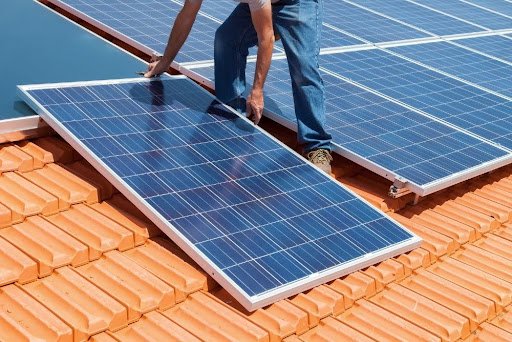
Ever wondered if that empty rooftop space could be working harder for you? What if those unused square metres could slash your electricity bills and shrink your carbon footprint at the same time? And with energy prices climbing year after year, isn’t it time to take control of your power supply?
If you’re a homeowner in Highett or the surrounding Melbourne suburbs, you’re sitting on prime real estate—right above your head. Your rooftop has incredible potential to generate clean, renewable energy that powers your home and puts money back in your pocket. Solar installations have transformed from a luxury into a smart financial decision that thousands of Australian families are making every year.
In this guide, we’ll walk you through everything you need to know about maximising your rooftop with solar panels. From understanding how these systems actually work to finding reliable solar installers in Highett, we’ve got you covered. You’ll learn how to assess your roof’s potential, choose the right system size, and avoid common pitfalls that trip up first-time solar buyers. Plus, we’ll break down the costs, rebates, and payback periods so you can make a confident, informed decision. Let’s get stuck into it.
Understanding Solar Panel Installations in Australia
How Do Solar Panels Actually Work?
Solar panels might seem like magic, but the science behind them is surprisingly straightforward. When sunlight hits the photovoltaic cells in your panels, it knocks electrons loose from atoms. This movement creates direct current (DC) electricity, which then flows to an inverter. The inverter converts this DC power into alternating current (AC)—the type of electricity your home appliances actually use.
What’s brilliant about this process is that it happens silently, with no moving parts, every single day the sun shines. Even on overcast days, your panels will generate some power, though obviously less than during bright sunshine. The whole system connects to your home’s electrical grid, meaning you can use solar power when it’s available and draw from the grid when needed.
Types of Solar Systems for Residential Rooftops
Most Aussie homes use grid-connected solar systems. These connect to the main electricity network, allowing you to export excess power and earn feed-in tariffs. It’s a straightforward setup that works well for the majority of households.
However, if you want more independence, hybrid systems combine solar panels with battery storage. This setup lets you store excess daytime energy for use at night. Off-grid systems exist too, but they’re typically suited for remote properties rather than suburban homes in areas like Highett.
What Size Solar System Do I Need for My Home?
The right system size depends on your energy consumption. Check your electricity bills for your daily kilowatt-hour (kWh) usage. A typical Australian home uses around 15-20 kWh daily, which a 6.6kW system can comfortably cover.
Think about your future needs too. Planning to add an electric vehicle or a pool? You might want a larger system now rather than upgrading later.
Assessing Your Rooftop’s Solar Potential
Does My Roof Get Enough Sunlight for Solar Panels?
Melbourne receives around 4-5 peak sun hours daily on average—plenty for effective solar generation. Your roof doesn’t need blazing sunshine all day long. However, the more unobstructed sunlight your panels receive, the better they’ll perform.
Roof Orientation and Tilt: What’s the Ideal Setup?
In Australia, north-facing roofs are ideal because they capture the most sunlight throughout the day. That said, east and west-facing installations still work well, particularly if you use more electricity in the morning or afternoon respectively.
The optimal tilt angle roughly matches your latitude—around 30-35 degrees for Melbourne. Don’t stress if your roof pitch differs slightly; modern panels are efficient enough to compensate for less-than-perfect angles.
Dealing With Shade, Trees, and Obstructions
Shade is solar’s enemy. Even partial shading on one panel can significantly reduce your entire system’s output. Take note of nearby trees, chimneys, neighbouring buildings, and anything else that might cast shadows on your roof throughout the day.
Quality installers will conduct a thorough shade analysis before recommending panel placement. In some cases, selective tree trimming or strategic panel positioning can overcome shading issues.
Is My Roof Structurally Suitable for Solar Installation?
Most roofs handle solar panels without problems. Panels typically weigh around 20kg each, and a standard system adds roughly 200-300kg distributed across your roof. However, older homes or those with damaged roofing may need assessment.
A reputable installer will evaluate your roof’s condition before proceeding. If repairs are needed, it’s smarter to complete them before installation rather than removing panels later.
Choosing the Right Solar Installers in Highett
What to Look for in a Local Solar Installation Company
Finding trustworthy solar installers in Highett means looking beyond the cheapest quote. Check online reviews, ask for references from previous customers, and verify how long the company has been operating. Local installers understand Melbourne’s specific conditions and can provide better after-sales support.
Look for companies that offer comprehensive warranties—both on products and workmanship. A solid installer will stand behind their work for years, not disappear after pocketing your payment.
Questions to Ask Before Signing a Contract
Before committing, ask about the specific brands of panels and inverters being used. Request a detailed breakdown of costs and what’s included. Clarify the warranty terms and who handles claims. Also ask about their installation timeline and what happens if there are delays.
Are Solar Installers CEC Accredited? Why It Matters
Clean Energy Council (CEC) accreditation is non-negotiable. Only CEC-accredited installers can access government rebates on your behalf. This accreditation confirms they’ve completed proper training and adhere to Australian standards. Always verify accreditation before proceeding.
Maximising Energy Output From Your Solar System
Panel Placement Strategies for Optimal Performance
Strategic panel placement goes beyond just pointing them north. Quality installers consider your household’s energy usage patterns. If you’re home during afternoons, west-facing panels might serve you better than north-facing ones.
Split orientations—some panels facing east, others west—can spread generation throughout the day, matching typical home energy consumption patterns more effectively than a single-direction setup.
How Many Solar Panels Can Fit on My Roof?
A standard residential panel measures approximately 1.7m x 1m. Calculate your usable roof space, accounting for setbacks from edges, vents, and skylights. Most suburban homes can accommodate 15-25 panels, translating to systems between 5kW and 10kW.
Battery Storage: Is It Worth the Investment?
Battery storage prices have dropped significantly, making them increasingly attractive. They allow you to use your solar power at night, reducing grid reliance. However, the upfront cost remains substantial.
Consider battery storage if you use significant power in the evenings, want backup during blackouts, or if feed-in tariffs in your area are particularly low. For many households, batteries become cost-effective when paired with time-of-use electricity tariffs.
Understanding Costs and Financial Benefits
How Much Does Solar Installation Cost in Victoria?
A quality 6.6kW system typically costs between $5,000 and $8,000 after rebates in Victoria. Prices vary based on panel quality, inverter brand, and installer reputation. Be wary of quotes significantly below market rates—they often indicate inferior equipment or corner-cutting.
Government Rebates and Incentives Available in Australia
The federal Small-scale Renewable Energy Scheme provides significant upfront discounts through small-scale technology certificates (STCs). Victorian residents may also access additional state rebates, though these change periodically. Your installer should handle the paperwork, applying rebates directly to your quote.
What Is the Payback Period for Solar Panels?
Most Victorian households see payback periods between 3-5 years. This calculation depends on your system cost, electricity consumption, feed-in tariff rates, and how much solar power you self-consume. After payback, you’re essentially generating free electricity for another 20+ years.
Common Mistakes to Avoid With Rooftop Solar
Oversizing or Under sizing Your System
An undersized system won’t cover your needs, while an oversized one means paying for capacity you won’t fully utilise. Work with your installer to analyse your actual consumption patterns rather than guessing.
Ignoring Future Energy Needs
Think ahead. Are you planning renovations, adding family members, or considering an electric vehicle? Building in some extra capacity now costs far less than upgrading your entire system later.
Maintenance and Long-Term Care
How Often Do Solar Panels Need Cleaning?
Australian conditions typically require cleaning once or twice yearly. Rain handles most dust, but bird droppings, leaves, and pollution buildup can reduce efficiency. A gentle hose-down usually suffices—avoid pressure washers and harsh chemicals.
Monitoring Your System’s Performance
Most modern systems include monitoring apps showing real-time generation data. Check regularly to spot any performance drops that might indicate issues. Sudden decreases could signal inverter problems, shading changes, or panel faults requiring attention.
Taking the Next Step Towards Solar
So, there you have it—everything you need to know about maximising your rooftop with solar installations. From understanding how panels work to finding quality solar installers in Highett, you’re now equipped to make smart decisions about your home’s energy future.
The key takeaways? Assess your roof’s suitability properly, choose CEC-accredited installers, and think carefully about system sizing for both current and future needs. Don’t chase the cheapest quote—quality equipment and professional installation pay dividends over your system’s 25+ year lifespan.
Ready to take that next step? Start by getting multiple quotes from reputable local installers, asking plenty of questions, and taking your time with this decision. Your rooftop has been sitting there doing nothing for years—it’s time to put it to work. With electricity prices showing no signs of dropping, there’s never been a better moment to harness the Australian sunshine and take control of your energy bills. Your wallet and the planet will thank you.

As a lifelong DIY enthusiast, Alex Barton is never afraid to go the extra mile to save a few bucks! From seamless interior decor hacks to effective DIY home renovation tips, he shares a myriad of his experiences for you to unleash your creativity.