How Digital Devices Are Reshaping Our Sleeping Habits?
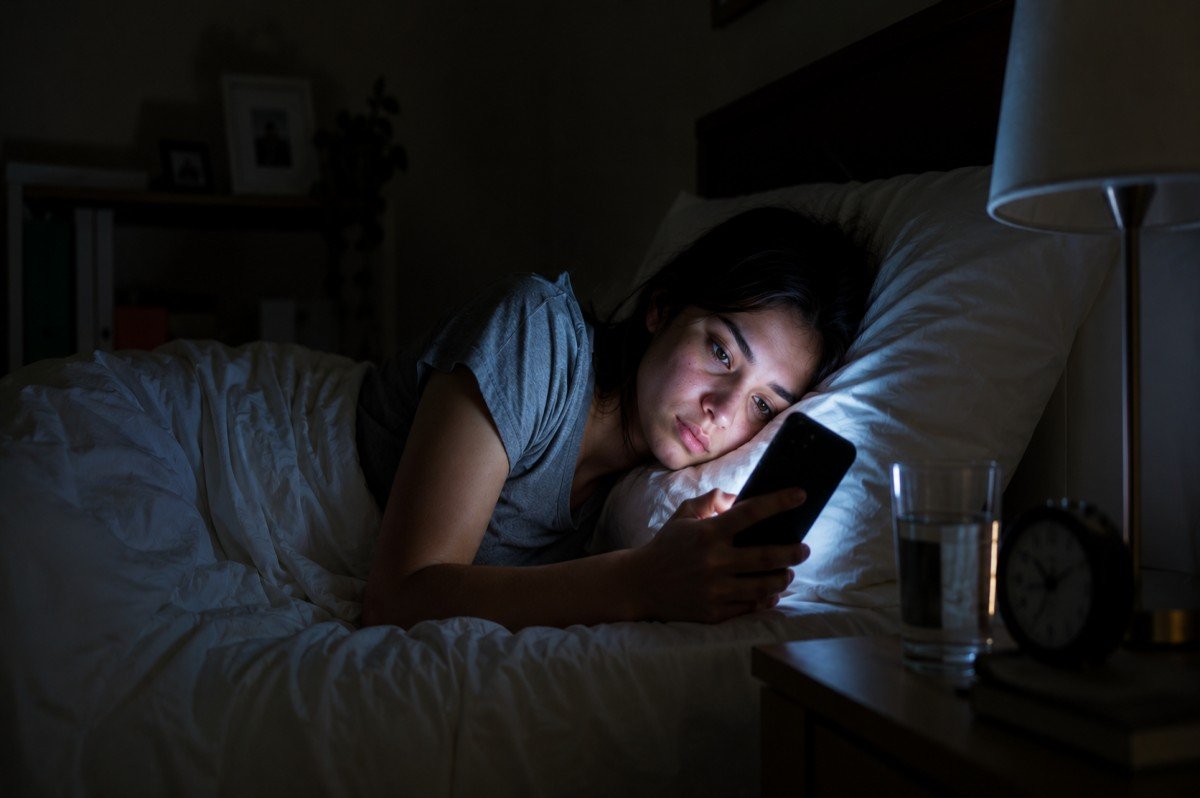
In today’s world, most of your days end the same way. Scrolling through social media, replying to messages, or surfing through your phones or laptops. You already know the consequences. Yet you continue to do the same. The question is, if everyone knows the bitter truth, then why can’t we stop?
Having too much screentime before bed is ruining both your physical and mental health. Smartphone screens emit blue light. This blue ray is detrimental to you. It can cause disastrous effects in the long run. This blue light is considered responsible for suppressing melatonin production, a hormone involved in regulating the sleep-wake cycle. This leads to sleep disturbances and poor sleep quality.
How Screen Time Affects Sleep ?
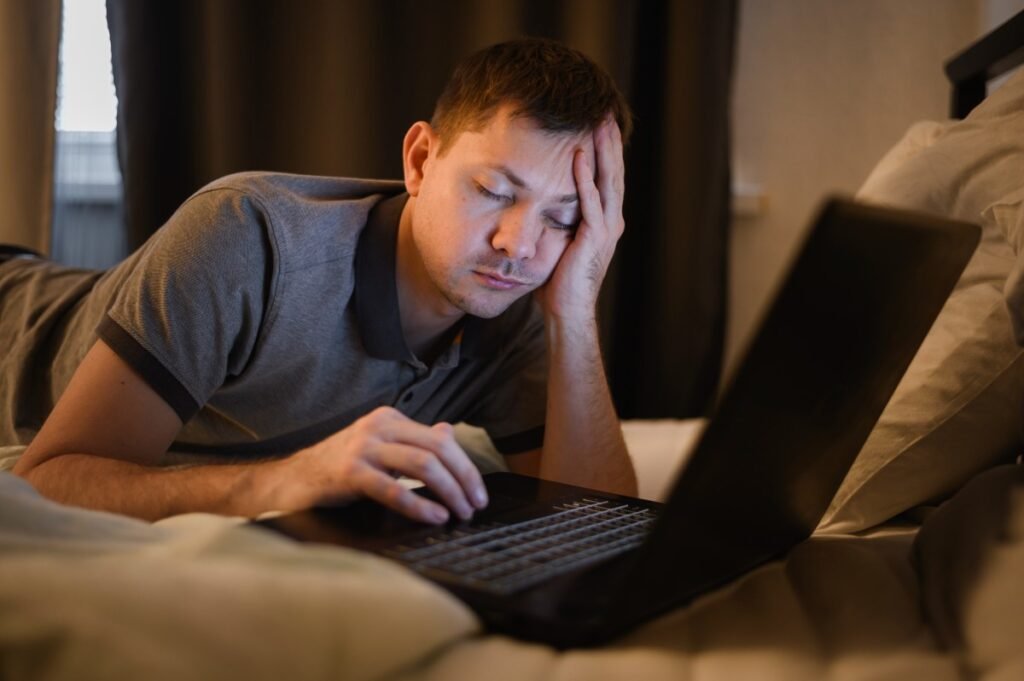
Smartphones, tablets, laptops, and televisions have become an essential part of daily life. So much so that they often follow us almost everywhere. They play a major role in imbalancing our sleep cycle. Smartphones, tablets, laptops, and televisions have become an essential part of daily life. So much so that they often follow us almost everywhere. They play a major role in imbalancing our sleep cycle. Excessive screen exposure, especially before bedtime, can interfere with the body’s natural sleep-wake rhythm. Over time, poor sleep habits linked to screen use can affect concentration, mood, productivity, and overall well-being.
Poor sleep quality has been reported to increase the risk of many kinds of illness. Using a phone before bed not only deteriorates your sleep time, but it also affects the regularity of your sleep cycle. A slow-living lifestyle is needed in a fast-paced culture. Staring at screens before bed isn’t ideal for your health.
Blue light acts as a melatonin suppressant. Excessive screen use before bedtime is one of the habits that ruins your sleep. Late-night scrolling remains one of the most common habits among people of all ages. Moreover, too much usage of social media can lead to cybersecurity risks. As a result, you should be very smart and alert when dealing with these systems.
Problems With Screen Time Increase
Screen time before bed affects the brain. The primary reasons screens affect sleep are the blue light they emit, which suppresses the production of melatonin. As a result, our mind and body remain active even at midnight. When we use screens late into the evening, our brains receive mixed signals.
Instead of preparing for sleep, the body remains alert and awake. This creates weight gain, obesity, hypertension, glucose intolerance, diabetes, and many other conditions. Try practicing digital detox before sleep. This will not only make your sleep better, but it will also make your sleep cycle proper and manageable.
- Staying away from the phone for at least 1 hour before going to sleep is extremely essential. This provides rest to your eyes and calms your brain and nervous system. Which helps you to fall asleep quickly.
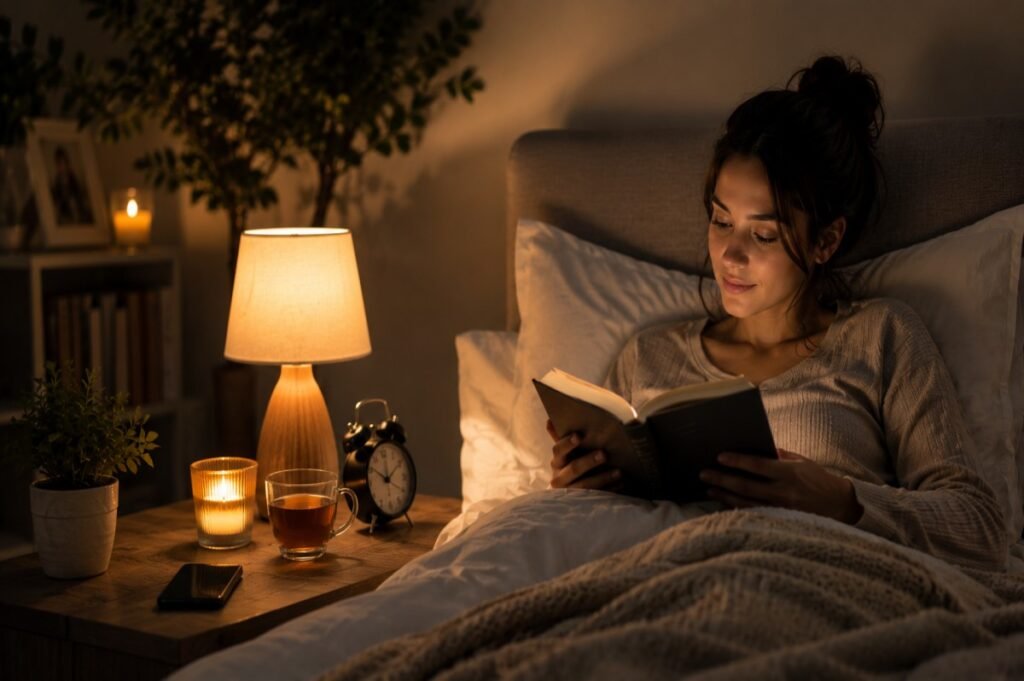
- Replace the screen time with other activities like journaling, reading a book, and many more. Concentrating on something other than electronic gadgets can divert your mind from screen time activities. Focusing on these screen-free habits can promote better sleep quality, reduce mental overstimulation, and make it easier to maintain a healthy sleep routine. Try avoiding gadgets during that time.
Impact Of Excess Screen Time On The Brain
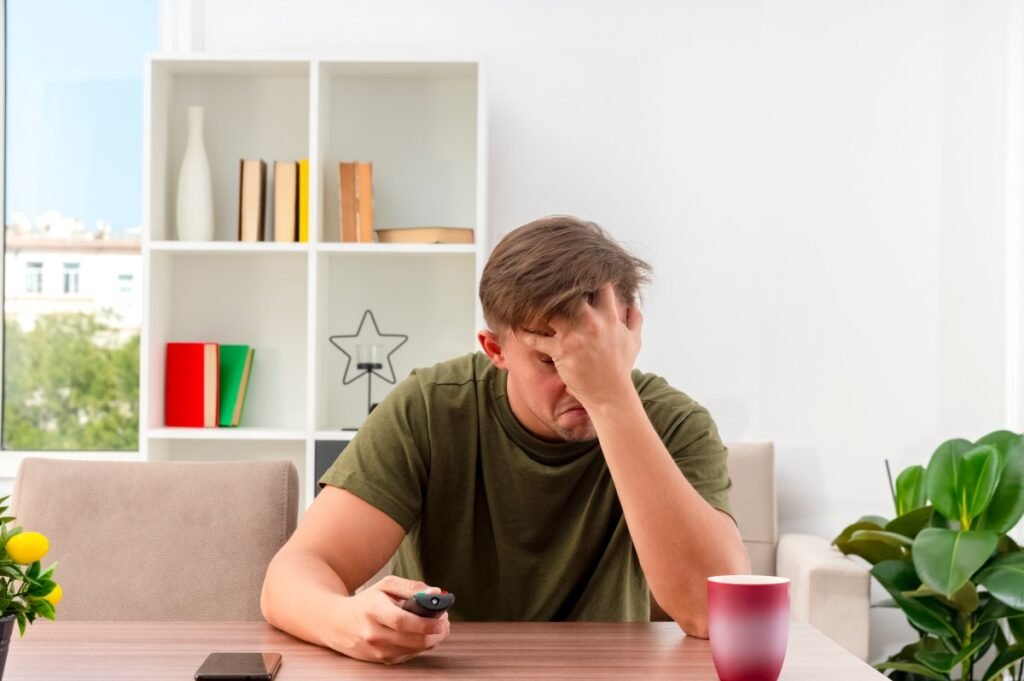
It’s not just the light that’s the problem. Social media feeds, games, and news articles keep your mind engaged even when your mind and body need rest. Activities such as watching reels, continuously responding to messages, or browsing content keep the brain involved and alert.
Reduced Sleep Quality
Your sleep quality might get low. Creating disturbances while sleeping. Frequently waking up at night and lighter sleep are common complaints among heavy nighttime screen users. How the screen affects your sleep can be well determined by following your sleep pattern. Modern apps are carefully designed to keep users engaged. Features like endless scrolling and instant notifications make it difficult to put devices down.
Nighttime Routine
For many people, bedtime is the only opportunity to relax after a busy day. People seldom follow a proper bedtime routine for good sleep. Unfortunately, this habit often comes at the expense of sleep. Sleep is crucial for maintaining an adequate and healthy lifestyle. Hence, it goes without saying that anything that disturbs the sleep pattern can also disrupt the normal functioning of the body. Having a minimalist bedroom where there are fewer stimulating lights or decor can be helpful, allowing your body and mind much-needed rest.
Fear of Missing Out
Social media shows content which are eye catching and interesting to the viewers. These platforms create a constant stream of updates, trends, and conversations. A phone-free bedtime routine can resolve this issue. Only a proper sleep structure can prevent adverse consequences. Many users worry about missing something important if they disconnect, leading them to stay online longer than intended.
Fear Of Missing Out has increased in recent times, thanks to social networking apps. They attract the viewers to watch content until it turns into a routine that the viewers cannot escape. While it provides opportunities for social engagement, it offers a view into an endless stream of activities. Doomscrolling before bedtime traps you in a cycle that you won’t be able to get away from.
The Long-Term Consequences of Poor Sleep

Consistently poor sleep can affect more than just energy levels. It increased stress, anxiety, irritability, and other health problems. Too much exposure to the blue radiation can also cause deadly diseases, accompanied by a weakened immune system.
For example, Riya, a 24-year-old marketing professional, spent nearly two hours on her phone every night. Although she went to bed around 11:00 PM, she found herself awake until after midnight on most days. After tracking her habits, Riya opted for a change. She set a “digital curfew” 45 minutes before bedtime. Riya did not use any gadgets like a mobile or a laptop during that time. She rigorously followed the sleepmaxing tips for Gen Z. Within three weeks, she reported falling asleep faster, waking up less frequently during the night, and feeling fresh during the day.
Simple Ways to Reduce Screen Time Before Bed
Digital Curfew
Try setting a time each evening when screens are no longer used. Try analysing how much your screen time is before bed. Even 30 minutes before bedtime can make a positive difference.
Devices Out of Reach
Keep your gadgets out of your reach. This will automatically reduce your interest in using your phone. Charging your phone across the room instead of beside your bed can decrease the temptation to scroll.
Alternative Methods
Follow the sleep hygiene tips for Gen Z. Try mindfulless exercise before sleep, read a book, or try meditating. Have a balanced diet and do not force sleep. Make sure your room is the right temperature for you, as a cool room is usually better to sleep in.
Turn On Night Mode
Follow these simple ways to reduce your screen time before sleeping. While not a complete solution, they can help lessen the impact, letting you sleep at ease and face the next day with confidence.
Set App Limits
The doomscrolling effect on sleep can be disastrous. It might harm the viewer in a slow yet rapid way. Many smartphones now include screen-time management tools that allow users to monitor and limit usage before bed. Limiting phone usage can improve your sleeping condition.
Finding a Healthier Balance
You can use blue light glasses sleep to protect your eyes from direct exposure to the radiation. Technology isn’t going away, nor should it. Smartphones and digital devices offer countless benefits, especially in the age of digitalization. The goal isn’t to eliminate screen time but to use technology more appropriately.
Follow the sleepmaxxing steps for Genz Z to acquire a radiation-free life. Small changes can have a significant impact on sleep quality and overall well-being. By becoming more mindful and alert, it’s possible to enjoy the benefits of technology without sacrificing restorative sleep.
Most of you already understand that excessive screen time before bed can negatively affect sleep. Yet convenience, habit, entertainment, and social connection make it difficult to disconnect. Try practicing the tips mentioned above. Be cautious and vigilant. Know your problems well. Try to resolve them accordingly. This will not only help in self-control, but it will also be an important step toward better sleep, improved health, and more energized mornings.
FAQs
1. How long before bed should I stop using my phone?
Experts generally recommend avoiding phones, tablets, and other screens for at least 30 to 60 minutes before bedtime. This helps your body to relax and feel calm.
2. Is TikTok or Instagram worse for sleep than watching TV?
Short-form content platforms like TikTok and Instagram can be more disruptive because they are highly interactive. They pursue endless scrolling and are designed to keep users engaged throughout.
3. Does doomscrolling cause insomnia?
Doomscrolling can contribute to insomnia-like symptoms by increasing stress, anxiety, and mental stimulation before bedtime.
4. Do blue light glasses actually help with sleep?
Blue light glasses may reduce some exposure to blue wavelengths emitted by screens. However, they are not a complete solution.
5. Does Night Mode or Dark Mode on my phone help me sleep?
Night Mode and Dark Mode can reduce brightness and lower blue light exposure, which may be beneficial during evening hours. It reduces eye strain and brain exhaustion. Limiting screen time remains the most effective approach.
6. Can screen time cause anxiety and depression, not just bad sleep?
Excessive screen time has been associated with higher levels of stress, anxiety, and depressive symptoms in some individuals, particularly when it involves excessive social media use. Your mental health should be your priority. So take steps to reduce the discomfort.

As a lifelong DIY enthusiast, Alex Barton is never afraid to go the extra mile to save a few bucks! From seamless interior decor hacks to effective DIY home renovation tips, he shares a myriad of his experiences for you to unleash your creativity.