Slow Living in India: How to Escape Hustle Culture?

Have you ever finished a long day and still felt like you didn’t do “enough”? That quiet pressure to always be productive, always be moving forward, is something many people in India are starting to question. The constant rush may look like success on the outside, but it often leaves little space for rest, clarity, or even basic well-being.
This is where this slow living guide for a fast-paced world comes in. Not as a trend, but as a response. A way to rethink how we live, work, and take care of ourselves in a busy world.

What is Hustle Culture—And Why Is It So Exhausting?
Hustle culture is the idea that your worth is tied to how much you achieve. It glorifies long hours, constant productivity, and the belief that rest is laziness. In India, especially among millennials and young professionals, this mindset has become common.
It shows up as:
- Working beyond office hours regularly
- Feeling guilty for taking breaks
- Always being “on”, even during weekends
- Measuring success only through career growth
Over time, this leads to career stress and a pressured lifestyle for millennials, where personal time and health are pushed aside.

Why Hustle Culture is Being Questioned?
More people are beginning to see the downside. The rise in hustle culture burnout in India is hard to ignore. Fatigue, anxiety, and emotional exhaustion are becoming everyday experiences.
There’s also growing awareness around mental health. People are realizing that constant stress isn’t sustainable. And more importantly, it’s not necessary for success.
Instead of chasing endless productivity, many are asking:
- What does a balanced life look like?
- Can I succeed without burning out?
- What if rest actually improves my performance?
This shift is leading to a new focus on emotional well-being, lifestyle, and long-term health.

The Shift From Hustle to Rest Culture
Rest is no longer seen as a reward—it’s becoming a priority. This doesn’t mean doing nothing all day. It means creating a low-stress daily routine that includes pauses, recovery, and mindful work.
A rest-focused mindset includes:
- Taking breaks without guilt
- Logging off work on time
- Prioritizing sleep and downtime
- Understanding that productivity has limits
This is part of the art of slow living, where you do things at a pace that supports your health instead of draining it.

Why is Slow Living Growing in India?
So, why is this shift happening now? Is it just a trend or a response to real needs? Let’s find out.
- Increased mental health awareness
Conversations around anxiety, burnout, and emotional fatigue are more open today. People are actively looking for a mental wellness routine for slow living that supports their daily lives.
- Urban lifestyle pressure
Cities like Mumbai, Bangalore, and Delhi are fast-paced and demanding. Over time, people start craving a slower, more intentional way of living.
- Remote work and flexibility
The pandemic changed how we work. Many people experienced slower mornings and more flexible schedules, and realized they don’t want to go back completely.
- Changing definition of success
Success is no longer just about money or titles. It now includes work-life balance, peace of mind, and personal time.
Digital Detox and Minimalism: Creating Space for What Matters
A big part of slow living is reducing noise, both physical and mental.

Digital Detox
Constant notifications and screen time can overwhelm the brain. A simple digital detox can help:
- Set screen-free hours (especially before sleep)
- Limit social media scrolling
- Avoid checking emails outside work hours

Minimalism
Minimalism is about owning less, choosing better. It supports intentional consumption, where you focus on what truly adds value. Ask yourself:
- Do I really need this?
- Does this improve my daily life?
This mindset reduces clutter and helps you focus on meaningful experiences.

Niksen: The Practice of Doing Nothing
A concept gaining attention in slow living conversations is Niksen. This Dutch simply means doing nothing without a purpose. No productivity goals. No multitasking. Just sitting, observing, or letting your mind wander.
It may feel uncomfortable at first, especially if you’re used to being busy all the time. But Niksen can reduce stress, improve creativity, and support mental recovery. It fits naturally into a mindfulness lifestyle in India, where stillness has long been part of traditional practices.
Key Strategies to Embrace Slow Living in 2026
If you’re wondering how to escape hustle culture in India, here are practical ways to begin:
- Start your day slower
Avoid jumping straight into emails or social media. Give yourself 20 to 30 minutes of quiet time.

- Create boundaries around work
Set clear work hours. Respect your personal time as much as your professional time.
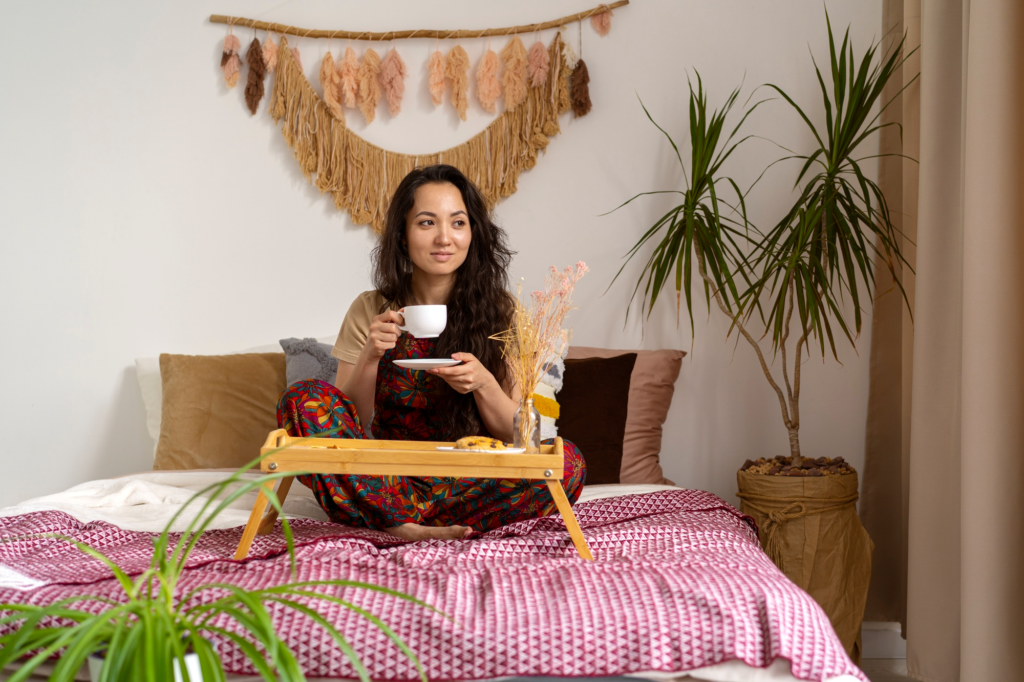
- Build a simple self-care lifestyle
Women self-care routine doesn’t have to be complicated:
- Regular meals
- Enough sleep
- Short walks
- Time offline
- Practice mindful living
Pay attention to what you’re doing. Whether that’s eating, working, or resting. This is the core of mindful living in India.
- Reduce overcommitment
You don’t have to say yes to everything. Protect your time and energy.

- Reevaluate your goals
Ask yourself if your current lifestyle aligns with your values. If not, adjust slowly.
These are realistic slow living tips for busy professionals—not drastic changes, but small, consistent shifts.
Is the Soft Life Escapism or Healing?
The idea of a “soft life” often gets misunderstood. Some see it as avoiding responsibility or ambition. But in reality, it’s about choosing a healthier way to live.
A soft life can mean:
- Prioritizing well-being over constant stress
- Working sustainably instead of excessively
- Creating space for rest without guilt
It’s not about doing less for the sake of it. It’s about doing what matters without harming your health. For many, it’s a form of healing from years of pressure and burnout.
Slow living isn’t about quitting your job or giving up ambition. It’s about creating a life that feels manageable and meaningful.
In a world that rewards speed, choosing to slow down can feel uncomfortable at first. But over time, it helps you build a more balanced, sustainable way of living. This guide helps you stay grounded while still moving forward.
In the end, a calmer, more intentional life isn’t a luxury. It’s a necessity.
FAQs:
1. Is slow living possible in Indian cities like Mumbai or Bangalore?
Yes, it’s possible by prioritizing intentionality over speed. In chaotic hubs like Mumbai or Bangalore, slow living means setting digital boundaries, mindful commuting, and savoring small rituals amidst the urban hustle.
2. Why is Gen Z choosing peace over hustle?
Gen Z prioritizes peace over hustle to combat burnout and chronic stress. They value mental well-being, personal fulfillment, and sustainable work-life balance over the traditional, exhausting pursuit of corporate success.
3. Does slow living reduce ambition?
Not necessarily. Slow living reframes ambition, shifting focus from mindless productivity to purposeful goals. It encourages pursuing high-quality achievements that align with personal values rather than succumbing to performative, soul-crushing busyness.
4. How to maintain work-life balance in the Indian work culture?
Maintain balance by setting firm boundaries and prioritizing “deep work” over long hours. Communicate expectations clearly with managers, disconnect after shifts, and integrate physical activity to offset corporate sedentary stress.

As a lifelong DIY enthusiast, Alex Barton is never afraid to go the extra mile to save a few bucks! From seamless interior decor hacks to effective DIY home renovation tips, he shares a myriad of his experiences for you to unleash your creativity.