10 Early Warning Signs Your Roof May Need Professional Attention
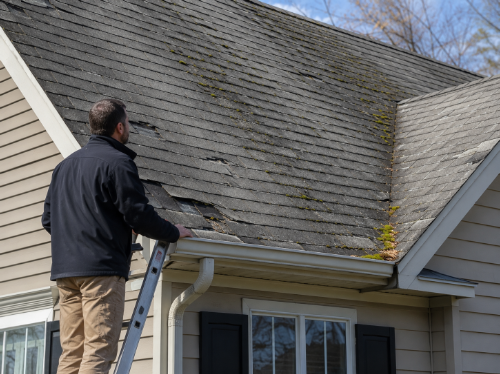
A roof problem rarely starts with water pouring through the ceiling. More often, it begins with something easy to dismiss a loose shingle, a faint stain, or a gutter that suddenly overflows.San Jose homeowners face long periods of sun, seasonal rain, wind, and daily temperature changes. These conditions slowly wear down roofing materials. Damage may remain hidden until moisture reaches the attic, insulation, drywall, or electrical systems.Calling a residential roofing contractor San Jose homeowners trust does not automatically mean you need a new roof. In many cases, an early inspection uncovers a small repair before it becomes a major expense.
This guide explains ten warning signs you can spot from the ground, inside your home, or in the attic. You will also learn which problems need immediate attention and which ones can be monitored for changes.
Why Small Roof Changes Can Lead to Expensive Repairs
Roof damage often spreads quietly. A small opening around a vent or flashing detail may allow only a few drops of water inside during each storm. You may not notice anything until the wood decking has softened or the insulation has absorbed significant moisture.Water also does not always travel straight down. It can move along rafters, pipes, nails, and ceiling joints before becoming visible. That is why a stain in one room may originate several feet away from the actual leak.
Early inspections are usually less disruptive than emergency repairs. A professional residential roof inspection can identify weakened materials, drainage problems, and moisture entry points before they affect the living space.
Exterior Changes You Should Not Ignore
You do not need to climb onto the roof to notice many exterior warning signs. A safe visual check from the ground can reveal changes worth investigating.
1. Shingles Are Cracked, Curled, or Missing
Shingles create the first layer of protection against rain, sunlight, and wind. Once they crack or lift, water can reach the underlayment beneath them.
Curled edges often appear as shingles age or experience repeated heat exposure. Missing shingles may be caused by wind, weakened fasteners, or poor installation. Even one open section can become a pathway for water during heavy rain.
Imagine looking at your roof after a windy night and noticing a darker patch. That color difference may mean a shingle is missing. A San Jose residential roofing specialist can check the exposed area and determine whether nearby shingles are also loose.
2. Granules Are Collecting in the Gutters
Asphalt shingles are covered with protective granules. These small particles help shield the roof from ultraviolet exposure and weather-related wear.A small amount of granule shedding can happen, especially on newer roofs. Large piles in the gutters are more concerning. You may also notice smooth or shiny areas on the shingles where granules have worn away.
Significant granule loss leaves shingles more vulnerable to sunlight and moisture. It can also indicate that the roof is approaching the end of its useful service life.
3. The Roofline Looks Uneven or Sagging
A healthy roofline should appear straight and consistent. Dips, curves, or sagging sections deserve prompt attention.Sagging may point to damaged decking, trapped moisture, weakened supports, or excessive weight. The cause cannot be confirmed from the ground, but the visual change itself should not be ignored.
This is not a good situation for a do-it-yourself inspection. Walking over a weakened area can be dangerous and may cause additional damage.
Problems That Appear Inside the Home
Some of the clearest roof warnings show up indoors. These signs can be confusing because they may resemble plumbing, ventilation, or humidity problems.
4. Water Stains Appear on Ceilings or Walls
A yellow, brown, or gray stain often indicates that moisture has reached the interior. The mark may grow after rainfall or become darker over time.Painting over the stain only hides the symptom. The moisture source remains active and may continue damaging drywall, insulation, and framing.
Pay attention to stains near chimneys, skylights, exterior walls, and bathroom vents. These areas often contain flashing or roof penetrations where water can enter.
5. The Attic Smells Musty or Feels Damp
A musty attic smell is easy to overlook, especially if you rarely enter the space. It may indicate wet insulation, poor airflow, condensation, or a slow roof leak.Look for darkened wood, damp insulation, rusty nails, or moisture around vents. Avoid touching suspected mold or entering areas with unstable flooring.
Attic moisture does not always mean the shingles have failed. Ventilation problems can create similar symptoms. An experienced roofer should examine both the roof surface and the attic before recommending repairs.
6. Daylight Is Visible Through the Attic
Seeing light through the attic can be alarming, but the source matters. Roof vents are designed to allow controlled airflow and may create visible light.Random pinholes, gaps, or bright areas around decking joints are different. They may indicate damaged wood, missing materials, or openings around roof components.
Check the attic during daylight without stepping between ceiling joists. A local residential roofing contractor can confirm whether the light is coming from normal ventilation or an actual defect.
Comfort Problems That May Start Above You
Not every roof issue produces a stain. Some problems first become noticeable through changes in temperature, humidity, or energy use.
7. Your Energy Bills Increase Without Explanation
A sudden increase in heating or cooling costs can have several causes. HVAC performance, air leaks, thermostat settings, and household habits should all be considered.However, damaged roofing, wet insulation, or poor attic ventilation may also affect energy efficiency. Wet insulation loses part of its ability to control heat transfer. Trapped attic heat can make upper rooms harder to cool.
Compare your current energy use with the same season from previous years. If your routine has not changed, a roof and attic assessment may help rule out hidden problems.
8. Upper Rooms Feel Hotter or Colder Than Before
Temperature differences between rooms are common, but a noticeable new change may signal trouble above the ceiling.Poor ventilation can trap heat in the attic during warm weather. Damaged or compressed insulation can also create uncomfortable areas below the roof.
A bedroom that suddenly feels much warmer every afternoon should not be ignored. Local roofing professionals in San Jose can inspect ventilation, insulation conditions, and the roofing system together instead of treating each symptom separately.
Drainage and Flashing Failures Around the Roof
Roofing materials are only part of the system. Gutters, flashing, vents, chimneys, and skylights all help move water away from vulnerable areas.
9. Gutters Overflow or Pull Away From the Fascia
Overflowing gutters may simply need cleaning. Leaves, roof granules, and debris can block water from reaching the downspouts.The problem becomes more serious when gutters sag, separate from the fascia, or send water behind the roof edge. Moisture can then damage the fascia board, soffit, exterior walls, and even the foundation.
Watch the gutters during rainfall from a safe location. Water spilling over one area may reveal a blockage, improper slope, or damaged roof edge.
10. Flashing Around Roof Openings Looks Damaged
Flashing seals the areas around chimneys, vents, skylights, valleys, and wall connections. These locations are common sources of leaks because roofing materials meet different surfaces.Warning signs include rust, lifting metal, cracked sealant, visible gaps, or water marks below the opening. Applying more sealant may temporarily cover the area, but it does not always correct the underlying problem.
Reliable san jose roofing contractors should inspect how the flashing was installed, not just the visible crack. A lasting repair may require removing nearby shingles and rebuilding the waterproof connection correctly.
When to Contact a Roofing Contractor Serving San Jose
Some roof concerns can be scheduled for inspection within a few days. Others require faster action.Sagging roof sections, active leaks near electrical fixtures, falling ceiling material, or water entering during a storm should be treated urgently. Move belongings away from the affected area and avoid touching wet electrical components.Missing shingles, recurring stains, attic moisture, and damaged flashing should also be checked soon. These issues may not look dramatic, but waiting through another rainy period could increase the repair scope.
Minor cosmetic changes can be photographed and monitored. Compare the same area every few weeks, particularly after wind or rain. If the condition spreads, arrange an inspection.A detailed assessment should cover roofing materials, valleys, flashing, vents, gutters, attic conditions, ventilation, and visible decking. A roofing contractor serving San Jose should also explain whether the issue requires maintenance, a focused repair, or broader replacement.
Clean Roofing helps local property owners understand what is happening before discussing repair options. Clear documentation and photographs can make the decision easier, especially when cost is a concern.
Conclusion:
A cracked shingle or small ceiling mark may not feel urgent today. Left unresolved, however, that same issue can affect insulation, drywall, framing, and indoor comfort.Start with what you can safely observe. Look for changes in the roofline, gutters, ceilings, attic, and room temperatures. Take photographs so you can compare conditions after future storms.
One warning sign does not automatically mean your roof needs replacement. Often, a targeted repair is enough when the damage is found early. A trusted San Jose roofing team can identify the cause, explain the urgency, and help you avoid paying for work the property does not need.
Frequently Asked Questions
How do I know whether my roof needs repair or replacement?
The decision depends on the roof’s age, the extent of damage, and the condition of the underlying materials. Isolated damage may only require repair. Widespread deterioration, repeated leaks, or failing decking may make replacement more practical.
Can a roof leak even when no shingles are missing?
Yes. Water can enter through damaged flashing, cracked sealant, roof valleys, vents, skylights, or hidden underlayment problems. The leak may also begin far from the stain visible indoors.
How often should a San Jose home have its roof inspected?
A professional inspection every few years is reasonable for many homes. Older roofs may need more frequent checks. An inspection is also helpful after strong wind, unusually heavy rain, or visible exterior damage.

As a lifelong DIY enthusiast, Alex Barton is never afraid to go the extra mile to save a few bucks! From seamless interior decor hacks to effective DIY home renovation tips, he shares a myriad of his experiences for you to unleash your creativity.