Key Concepts and Tips to Create Monochromatic Interior Design

Have you been thinking about creating a calming effect when designing the interiors? Believe it or not, you will have everything to make the interiors come alive. However, creating a monochrome can be challenging as well. You won’t know where to start or how far you can extend. Just visualize the design of your room and get ready to be showered with the best interior design and décor.
What is Monochromatic Interior Design?
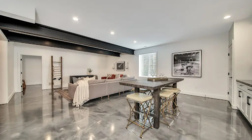
Contrary to popular belief, monochromatic interior design isn’t limited to shades of black, gray, and white. While the literal definition means adhering to a single color base, achieving a stunning space doesn’t require a strict or flat approach. Instead, the key is layering rich variations—mixing tints, tones, and shades of your chosen hue to build depth and texture. By strategically applying a monochromatic color scheme, you can effortlessly highlight key focal points and guide attention throughout the room.
Monochromatic vs. Monochrome Interior Design: Key Differences
The terms monochromatic and monochrome are often used interchangeably, but they can describe slightly different design approaches. If you choose a monochromatic color palette, understanding this distinction can help you create a more intentional and balanced interior.
| Key Difference | Monochromatic Interior Design | Monochrome Interior Design |
| Color range | Uses different shades, tints, and tones of one color | Traditionally focuses on black, white, and gray tones |
| Color flexibility | Can be created with almost any color, such as blue, green, beige, or brown | Usually has a more limited neutral color range |
| Overall Look | Creates a cohesive, layered, and often softer appearance | Creates a bold, clean, and high-contrast appearance |
| How To Add Depth | Uses color variations, along with textures and finishes | Relies heavily on contrast, texture, materials, and lighting |
| Best For | Homeowners who want harmony while still experimenting with color | Those who prefer minimalist, contemporary, or dramatic interiors |
| Example | A room featuring light blue walls, medium-blue furniture, and navy accents | A room combining white walls, gray furniture, and black accents |
In short, monochromatic design gives you more freedom to explore one color family, while traditional monochrome design tends to emphasize black, white, and gray. Both can create a stylish, unified space when balanced with texture and contrast.
Reasons to use monochromatic design
Read on to know the top benefits of monochromatic interior design:
Streamline cluttered designs
Have you ever designed something amidst an array of colors? You are more likely to feel overwhelmed or carried away by the vibes you hardly know. Before you know what is happening, you may have already added a few things over there or mixed something somewhere else. If you apply the same approach during interior design, things get a lot more confusing and complicated. To get rid of some complexities, you need a tranquil approach to monochromatic interior design tips
Be sure about color palettes and know how things blend
Aren’t you sure about how shades work with each other when decorating the interiors? With a monochromatic color scheme, you will find it easier to figure it out. The common shades you can incorporate into this scheme are black and white,e as they are a part of every color’s vein. With different variations of the same color, they look perfectly matched with each other. You can keep on mixing different tints for lighter shades, deeper tones, and darker shades.
Interior decoration is easy to manage
Are you planning to invest in furnishings and décor items that depend on the color you choose? Well, you will find it easier to manage. For instance:
- If you choose white, you can choose black to complement the décor.
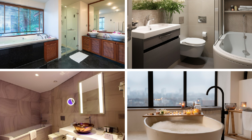
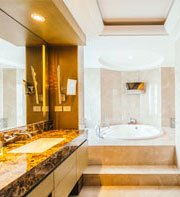
- If you are using a monochrome interior for the first time, be sure to begin with the smallest room. Bathrooms lend themselves well to monochromatic textures and color schemes as they are the hub of relaxation.
Get new designs
When you decide to go with one color, you are sure to discover a wide range of possibilities or variations of texture. That way, you will develop a mentality for creative design.
Monochromatic interior design offers the remarkable advantage of adaptability. By establishing a neutral color base for your space, you create a canvas that allows you to effortlessly refresh your decor as needed. This flexibility is achieved by painting your walls in neutral tones and selecting furnishings that harmonize with these shades.
With this foundational approach, you can easily layer vibrant textiles and accessories, introducing pops of color that can be swapped out and repositioned at your convenience. The monochromatic design doesn’t just provide a visually pleasing backdrop; it offers the freedom to evolve your interior style with ease.
FAQs
1. What colours work best for monochromatic interiors?
Any color can work, but neutrals, blues, greens, beige, and earthy tones are popular. Choose one base color that suits your room and build the design around its different variations.
2. Can a monochromatic room have different shades?
Yes. Using lighter and darker shades of the same color adds depth and prevents the space from looking flat. Combine tints, tones, and shades for a balanced appearance.
3. How do you add texture to a monochromatic interior?
Layer different materials such as wood, linen, velvet, wool, glass, metal, and ceramics. Rugs, curtains, cushions, and textured wall finishes can also add visual interest without introducing new colors.
4. How do you stop a monochromatic room from looking boring?
Mix different shades, textures, patterns, and finishes. You can also use lighting to highlight architectural features and create contrast between lighter and darker areas.
5. Is monochromatic interior design good for small rooms?
Yes. A consistent color scheme can make a small room feel more cohesive and spacious. Lighter shades can help reflect light and create an airy appearance.
6. Can you use patterns in a monochromatic room?
Absolutely. Stripes, checks, geometric prints, and subtle florals can work well. Keep patterns within the same color family to maintain the cohesive monochromatic look.

As a lifelong DIY enthusiast, Alex Barton is never afraid to go the extra mile to save a few bucks! From seamless interior decor hacks to effective DIY home renovation tips, he shares a myriad of his experiences for you to unleash your creativity.