Asphalt Road Patching: Effective Solutions For Long-Lasting Road Repairs
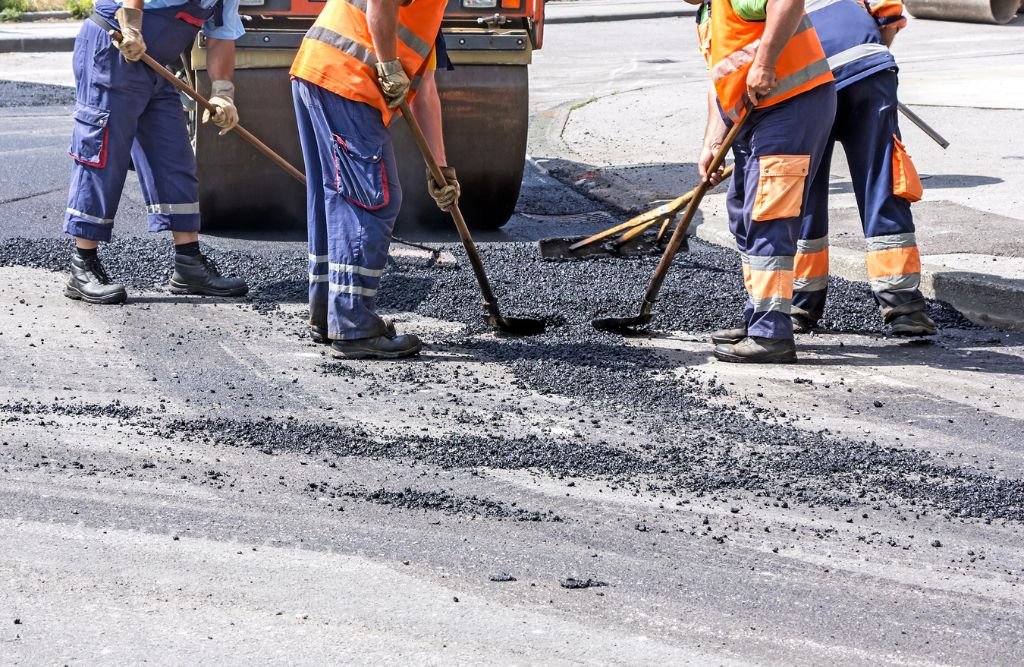
Roads are the backbone of modern infrastructure, carrying everything from daily commuters to heavy commercial traffic. Over time, constant use, weather exposure, and natural ageing take a toll on asphalt surfaces, leading to cracks, potholes, and surface deterioration. Addressing these issues early is essential to prevent costly full-scale reconstruction. This is where asphalt road patching plays a vital role, offering a practical, efficient, and long-lasting repair solution.
In this article, we’ll explore what asphalt road patching is, why it matters, common causes of asphalt damage, proven patching methods, benefits, and best practices for achieving durable road repairs.
Understanding Asphalt Road Patching
Asphalt Road Patching refers to the process of repairing localized damaged areas on asphalt pavements without resurfacing the entire road. It targets specific problem zones such as potholes, cracks, depressions, and raveling sections. Instead of replacing the whole pavement, patching focuses on restoring structural integrity and surface safety where it’s needed most.
This approach is widely used by councils, contractors, and property owners because it saves time, reduces costs, and extends pavement lifespan. When done correctly, patching can significantly improve driving comfort and prevent further deterioration.
Common Causes of Asphalt Damage
Before understanding repair solutions, it’s important to know what causes asphalt to fail in the first place.
Weather and Moisture
Water infiltration is one of the biggest enemies of asphalt. Rain seeps into small cracks, weakening the base layers. In colder regions, freeze-thaw cycles expand this moisture, creating potholes and surface fractures.
Heavy Traffic Loads
Repeated pressure from trucks, buses, and construction vehicles stresses asphalt surfaces. Over time, this leads to rutting, fatigue cracking, and structural failure.
Poor Drainage
Standing water accelerates asphalt breakdown. Without proper drainage systems, moisture remains trapped, weakening the pavement base.
Ageing and Oxidation
As asphalt ages, it loses flexibility due to oxidation. The surface becomes brittle, making it more prone to cracking and surface wear.
Why Asphalt Road Patching Is Essential
Delaying repairs often results in small issues turning into major structural problems. Asphalt Road Patching is essential because it stops damage from spreading and protects the underlying pavement layers.
Timely patching:
- Improves road safety by eliminating hazards
- Prevents water penetration
- Reduces vehicle damage complaints
- Extends pavement lifespan
- Minimises future maintenance costs
From residential streets to highways and industrial areas, patching ensures roads remain functional and visually presentable.
Types of Asphalt Road Patching Methods
Different situations require different repair techniques. Choosing the right method is key to long-lasting results.
Throw-and-Roll Patching
This is a quick, temporary solution where hot or cold asphalt mix is placed into a pothole and compacted by traffic. It’s commonly used for emergency repairs but has a shorter lifespan.
Semi-Permanent Patching
Damaged areas are cleaned, squared, filled with asphalt mix, and compacted using proper equipment. This method provides stronger, longer-lasting results and is suitable for most road repairs.
Spray Injection Patching
This advanced technique uses specialised equipment to clean potholes with compressed air, apply a tack coat, and inject asphalt mix. Spray injection offers excellent bonding and durability.
Full-Depth Patching
For severe structural damage, the affected area is excavated down to the base layer and rebuilt with new asphalt. This method ensures maximum strength and longevity.
Each method plays a role depending on traffic volume, damage severity, and budget considerations.
Benefits of Professional Asphalt Road Patching
Investing in professional Asphalt Road Patching services offers several long-term advantages beyond basic surface repairs.
Cost Efficiency
Patching costs significantly less than full resurfacing or reconstruction. It allows road managers to address issues strategically without exceeding maintenance budgets.
Faster Repairs
Most patching jobs can be completed quickly, reducing traffic disruptions and downtime for businesses and communities.
Improved Safety
Smooth road surfaces reduce accident risks caused by potholes, uneven pavements, and loose asphalt debris.
Extended Pavement Life
By preventing water intrusion and structural damage, patching helps pavements last many years longer.
When Should Asphalt Road Patching Be Done?
Timing is critical for effective repairs. Early intervention delivers better results and lower costs.
Signs that indicate patching is needed include:
- Visible potholes or depressions
- Cracks wider than a few millimetres
- Loose aggregate or crumbling edges
- Uneven road surfaces
- Water pooling after rain
Addressing these signs promptly through Asphalt Road Patching ensures minor damage doesn’t escalate into major failures.
Best Practices for Long-Lasting Road Repairs
Achieving durable results requires more than simply filling holes. Following best practices ensures repairs withstand traffic and weather conditions.
- Proper Surface Preparation
Cleaning debris, removing loose material, and drying the area are crucial for strong bonding between old and new asphalt.
2. Correct Material Selection
Using the right asphalt mix for climate conditions and traffic load improves performance and longevity.
3. Adequate Compaction
Proper compaction eliminates air voids and ensures the patch integrates seamlessly with surrounding pavement.
4. Seal Coating After Repairs
Applying a seal coat protects patched areas from moisture, UV exposure, and oxidation.
By following these steps, Asphalt Road Patching delivers reliable, professional-grade results.
Environmental Benefits of Asphalt Patching
Beyond cost and performance, patching is also an environmentally responsible choice. Repaired roads reduce the need for new materials and minimise waste. Many asphalt mixes used in patching contain recycled materials, supporting sustainable construction practices.
Maintaining existing pavements through Asphalt Road Patching also lowers fuel consumption and emissions by keeping roads smooth and efficient for vehicles.
Choosing the Right Asphalt Patching Partner
Not all patching jobs are created equal. Selecting an experienced contractor ensures repairs meet quality and safety standards.
Look for professionals who offer:
- Site inspections and damage assessments
- Modern patching techniques
- High-quality materials
- Proper compaction equipment
- Transparent pricing and timelines
Experienced teams understand how traffic patterns, climate, and pavement structure affect repair outcomes.
Conclusion
Road maintenance doesn’t always require large-scale reconstruction. When handled correctly, asphalt road patching provides an effective, affordable, and long-lasting solution for damaged pavements. By addressing issues early, using the right repair methods, and following best practices, roads can remain safe, smooth, and durable for years to come.
Whether for local streets, commercial properties, or high-traffic roadways, Asphalt Road Patching is a smart investment that protects infrastructure, enhances safety, and delivers excellent value over time.

As a lifelong DIY enthusiast, Alex Barton is never afraid to go the extra mile to save a few bucks! From seamless interior decor hacks to effective DIY home renovation tips, he shares a myriad of his experiences for you to unleash your creativity.