Best Uses of Model Foam for Creative Projects and Prototyping
Have you ever wondered what material could transform your creative ideas into tangible reality without breaking the bank? Are you searching for something lightweight yet sturdy enough to bring your designs to life? Perhaps you’re curious about what professionals use when they need to test concepts quickly and affordably?
Model foam has become an absolute gamechanger for creatives, hobbyists, and professionals across Australia. Whether you’re an architect building scale models, a cosplayer crafting elaborate costumes, or a product designer testing a new concept, this versatile material offers endless possibilities. It’s easy to cut, simple to shape, and won’t weigh down your projects or your wallet.
In this guide, we’ll explore everything you need to know about model foam. You’ll discover the different types available, learn which density works best for various applications, and pick up practical tips for cutting, gluing, and finishing your projects. From rapid prototyping techniques to creative uses you might not have considered; we’ve got you covered. Let’s get stuck into it!
What is Model Foam and How Does It Work?
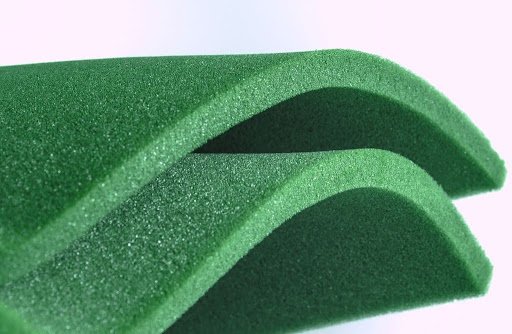
Model foam refers to a range of lightweight, cellular materials specifically designed for crafting, modelling, and prototyping. These foams are made from expanded or extruded polymers, creating a structure filled with tiny air pockets. This unique composition makes them incredibly easy to work with while remaining surprisingly durable.
Understanding Different Types of Model Foam
The market offers several foam varieties, each with distinct characteristics. Expanded polystyrene (EPS) is the classic white foam you’ll recognise from packaging. Extruded polystyrene (XPS), often sold as insulation board, provides a denser, smoother surface perfect for detailed work. EVA foam has become the go-to choice for cosplayers, while polyurethane foam offers excellent carving properties for sculptural work.
What is the Best Foam for Model Making?
Honestly, the best foam depends entirely on your project requirements. XPS foam boards work brilliantly for architectural models and terrain building due to their smooth finish and consistent density. EVA foam sheets are ideal for wearable projects because they’re flexible and comfortable. For intricate sculptures or organic shapes, high-density polyurethane foam provides superior carving capability.
Key Properties That Make Model Foam Ideal for Projects
Several properties make foam stand out from other materials. It’s remarkably lightweight, making transportation and handling effortless. The material cuts cleanly with basic tools no expensive equipment required. Plus, foam accepts paints, adhesives, and finishes readily, allowing for professional-looking results even for beginners.
Top Creative Uses for Model Foam
Architectural Model Making and Scale Models
Architects and design students rely heavily on foam for creating presentation models. The material allows for precise cutting of walls, floors, and structural elements. White foam core board creates clean, professional-looking architectural models that photograph beautifully. Many Australian architecture firms use foam models to communicate design concepts to clients effectively.
Cosplay and Costume Design
The cosplay community has embraced EVA foam wholeheartedly. This flexible material can be heat-shaped into armour pieces, props, and accessories. It’s comfortable to wear for extended periods at conventions and accepts acrylic paints beautifully. From Iron Man suits to fantasy weapons, foam makes previously impossible costumes achievable at home.
Diorama and Terrain Building
Tabletop gamers and model railway enthusiasts use foam extensively for creating realistic landscapes. XPS foam carves easily into hills, cliffs, and rocky outcrops. When textured and painted, foam terrain becomes indistinguishable from more expensive commercial options. It’s the secret weapon behind stunning gaming tables across Australia.
Theatre and Film Set Design
Professional set designers appreciate foam’s ability to mimic heavier materials convincingly. Foam brickwork, stone columns, and architectural details look authentic on stage while remaining lightweight and easy to move. This material has featured in countless Australian theatre productions and film sets.
School Projects and Educational Displays
Foam remains a classroom favourite for good reason. It’s safe, affordable, and forgiving of mistakes. Students can create everything from solar system models to historical dioramas. The material encourages hands-on learning and makes complex concepts tangible.
Model Foam for Prototyping: A Professional’s Guide
Why Do Designers Use Foam for Prototyping?
Professional designers choose foam because it enables rapid iteration. When developing new products, testing physical forms quickly proves invaluable. Foam allows designers to identify ergonomic issues, proportion problems, and design flaws before committing to expensive manufacturing processes. It’s essentially a 3D sketch that you can hold and evaluate.
Product Design and Industrial Applications
Industrial designers across Australia use foam models throughout their development process. From consumer electronics to furniture, foam prototypes help visualise products at actual size. Companies save thousands by identifying improvements during the foam prototype stage rather than after tooling has been created.
Rapid Prototyping on a Budget
Unlike 3D printing, foam prototyping requires minimal investment. A sharp knife, some sandpaper, and basic paints can produce impressive results. This accessibility makes foam prototyping perfect for startups, small businesses, and independent inventors testing concepts without significant capital outlay.
How to Create Professional-Quality Prototypes at Home
Start with accurate templates drawn from your design files. Transfer these to your foam using a marker, then cut carefully with a sharp blade. Sand progressively through finer grits for smooth surfaces. Seal with appropriate primers before painting. Multiple thin coats always beat single thick applications.
Choosing the Right Model Foam for Your Project
Can You Use Styrofoam for Model Making?
Absolutely, though “Styrofoam” technically refers to a specific brand of XPS foam. Generic expanded polystyrene works fine for rough models and mock-ups. However, its coarser texture limits fine detail work. For precision projects, opt for denser foam varieties that hold edges more cleanly.
Foam Density: What Density Foam is Best for Different Uses?
Low-density foams (around 15-25 kg/m³) suit rough models and padding applications. Medium-density options (30-48 kg/m³) work brilliantly for most creative projects, offering a good balance between workability and detail retention. High-density foams (80+ kg/m³) are reserved for fine detail work and applications requiring maximum durability.
Where to Buy Model Foam in Australia?
Australian craft stores like Spotlight and Lincroft stock basic foam products. For specialised materials, check art supply shops such as Eckersley’s. Hardware stores including Bunnings carry XPS insulation boards perfect for terrain building. Online retailers offer the widest selection, particularly for EVA foam and specialty products.
Working with Model Foam: Tips and Techniques
What is the Best Glue to Use on Foam Board?
PVA glue works wonderfully for most foam applications it’s affordable and won’t damage the material. Contact adhesive provides stronger bonds for structural joints. Hot glue offers instant bonding but can melt certain foam types. Never use solvent-based adhesives on polystyrene foams, as they’ll dissolve your work.
Cutting, Shaping, and Carving Techniques
Fresh, sharp blades make all the difference when cutting foam. Craft knives handle thin sheets, while hot wire cutters excel with thicker blocks. Sandpaper smooths surfaces and refines shapes progressively. For detailed carving, dental tools and small files provide excellent control.
Painting and Finishing Your Foam Projects
Always seal foam before painting to prevent absorption issues. Mod Podge, PVA glue, or dedicated foam sealers work well. Acrylic paints are safe for all foam types and offer excellent colour ranges. Spray paints can be used on sealed foam, but test first to ensure compatibility.
Common Mistakes to Avoid
Rushing the sealing process causes paint absorption and patchy finishes. Using incompatible adhesives dissolves foam instantly always test first. Applying excessive pressure when cutting creates crushed edges. Skipping sanding between paint coats results in rough, unprofessional finishes.
Model Foam vs Other Materials: Which Should You Choose?
Foam Board vs Cardboard: What’s the Difference?
Foam board maintains its shape under humidity conditions that would warp cardboard. It’s also significantly lighter while providing greater rigidity. Cardboard costs less but lacks foam’s clean cutting properties and professional appearance. For anything beyond rough mock-ups, foam board wins decisively.
When to Use Foam Over Wood, Plastic, or Clay?
Choose foam when weight matters; it’s dramatically lighter than alternatives. Select it when you need quick results without specialised tools. opt for foam when working on large-scale projects where material costs add up quickly. Wood, plastic, and clay each have their place, but foam offers unmatched accessibility and versatility.
Getting Started with Your Next Model Foam Project
Throughout this guide, we’ve explored the remarkable versatility of model foam across creative and professional applications. From architectural models and cosplay armour to rapid prototyping and theatrical sets, this material consistently delivers impressive results without demanding expensive equipment or extensive training.
The key takeaway is simple: model foam removes barriers between imagination and creation. It’s forgiving enough for beginners yet capable enough for professionals. Whether you’re testing a product concept, building terrain for your gaming group, or constructing an elaborate costume, foam provides an accessible pathway to bringing your vision to life.
So, what’s your next project going to be? Grab some foam, gather your basic tools, and start experimenting. The worst that happens is you learn something new. The best? You might just create something extraordinary. Head to your local craft or hardware store, pick up a few sheets, and discover why creatives across Australia have made model foam their material of choice. Happy crafting!

As a lifelong DIY enthusiast, Alex Barton is never afraid to go the extra mile to save a few bucks! From seamless interior decor hacks to effective DIY home renovation tips, he shares a myriad of his experiences for you to unleash your creativity.