The Evolution of Architecture: 10 Famous Styles Through History
People often say the stone remembers. Walk through any city old enough to have forgotten its own founding, and you’ll find the history in buttresses and arches, in the slope of a roofline or in the hush of a cathedral ceiling. As I traced the evolution of architecture, I began to see each style not as a set of rules, but as a letter written by people to their time, in the language of stone, glass, and light. A soaring Gothic spire is a prayer frozen in time. A clean Bauhaus facade is a manifesto. A curling Art Nouveau doorway is a poem about nature.
Famous architectural styles around the world are more than blueprints. They are fingerprints left by civilizations, each one shaped by the hands that believed in something enough to build it permanently. To understand architecture is to eavesdrop on a conversation between the past and the future. It’s also to learn, as every great architect eventually does, how to build something that will still be worth loving generations from now.
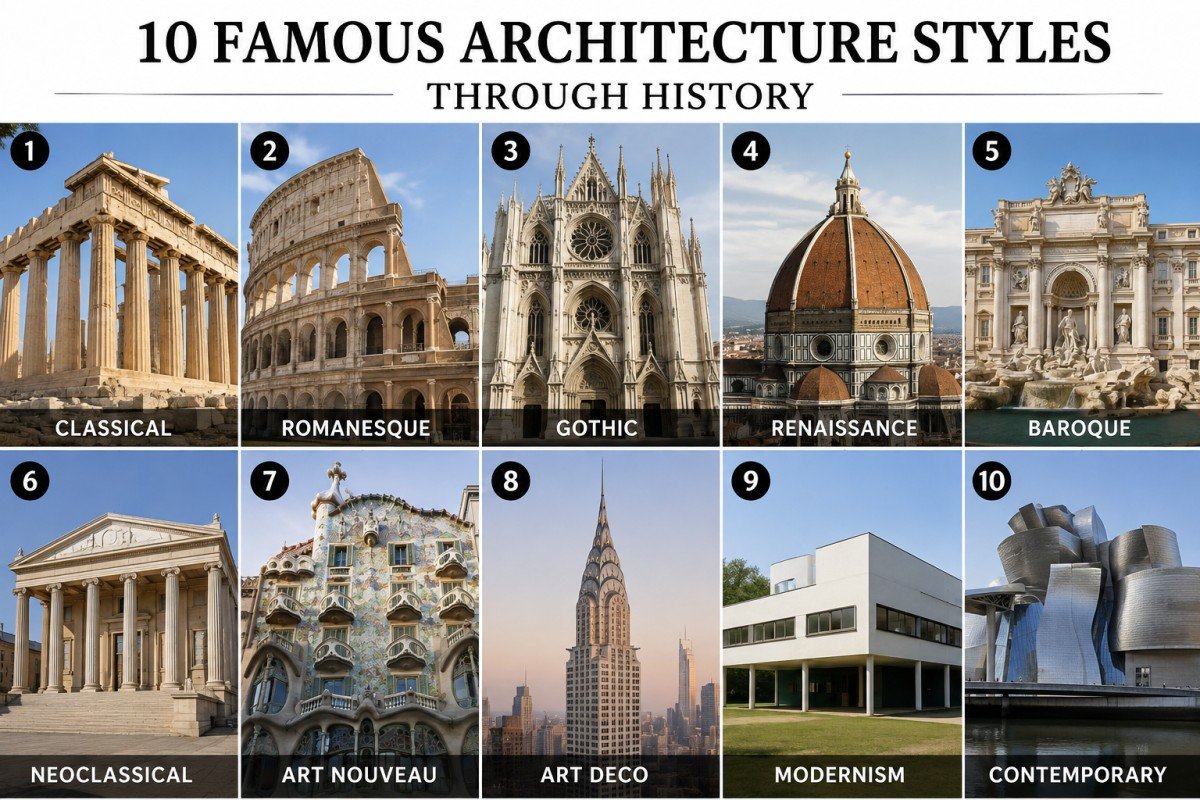
So, let’s look at the 10 most famous architectural styles that have endured the test of time and learn a little bit more about them.
Importance of Architectural Styles
Architectural styles influence far more than a building’s appearance. They determine how spaces function and have a deep-rooted cultural influence. Many modern buildings combine elements from historical styles while incorporating sustainable materials, smart technology, and energy-efficient solutions.
Sir Norman Foster, Founder of Foster and Partners and a Pritzker Architecture Prize winner, said, while architectural styles continue to change with new technologies and lifestyles, the most enduring designs draw inspiration from historical principles.
Moreover, understanding popular architectural styles can help homeowners choose a design that matches their lifestyle, climate, and aesthetic preferences.
10 Most Popular Architectural Styles
Gothic Architecture
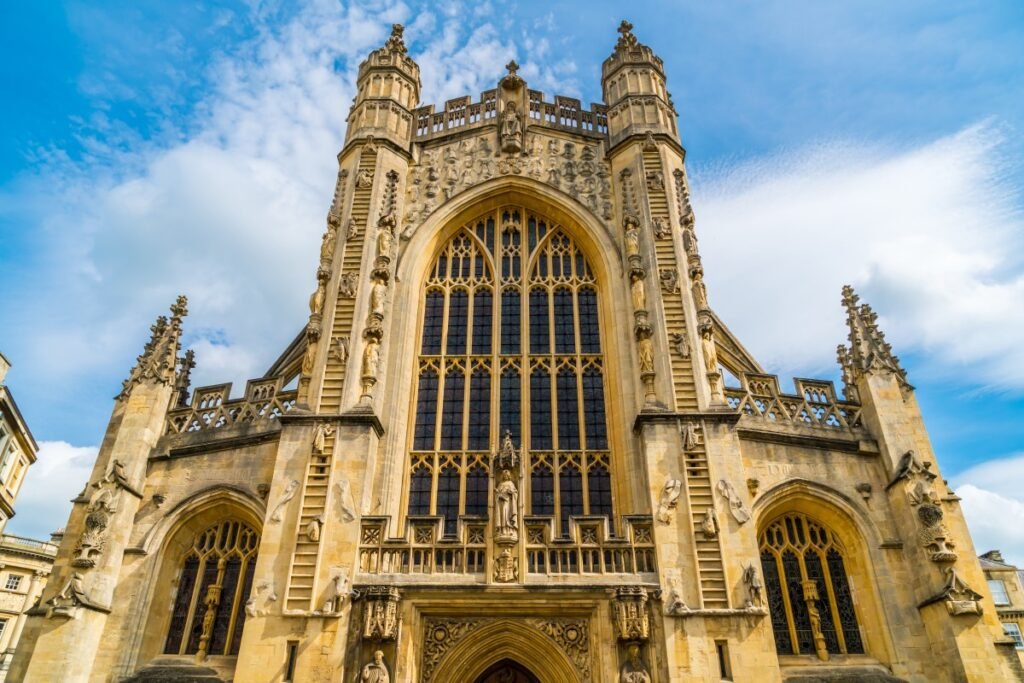
Gothic architecture, best described as “total drama,” originated in France in the mid-12th century. The characteristics of Gothic architecture style are as follows:
- Decorative elements like pointed arches, spires, ribbed vaults, etc., to create awe-inspiring interiors that would soar high.
- The features enabled the construction of massive buildings with expansive interior spaces and towering exteriors. The combination of engineering innovation and artistic craftsmanship allowed structures to reach unprecedented heights.
- Gothic architecture demanded skilled tradesmen, such as masons and sculptors, to bring these Gothic design elements and structures to life.
- Examples: The Cologne Cathedral in Germany, Notre Dame in France, etc.
Modern Influence
Architects often reinterpret Gothic elements across different building styles to create buildings that feel dramatic, elegant, and timeless. W.N. Pugin is considered one of the pioneers of modernising Gothic architecture, which can be seen in work for The Palace of Westminster in the UK.
Islamic Architecture

Islamic architectural design emerged in the 7th century as a built expression of Islamic faith, slowly spreading to European countries such as Spain and Portugal. The features are listed below
- From grand mosques to palaces and gardens, Islamic architecture emphasizes harmony, balance, and intricate detail.
- The architectural style includes domes, geometrical patterns, and beautiful Arabic calligraphy.
- This style mainly comprises tall, slender towers traditionally built beside mosques. Historically, they were prominent landmarks within cities.
- Examples: The Taj Mahal in India; the Sheikh Zayed Grand Mosque in the United Arab Emirates, etc.
Modern Influence
Modern architects frequently incorporate architectural design elements such as courtyards, mashrabiya screens, geometric facades, etc., into contemporary buildings. For example, Arc House by M.E Architecture Studio in Germany embraces traditional Iranian design features and translates them into a modern and spacious home decor.
Japanese Architecture Style
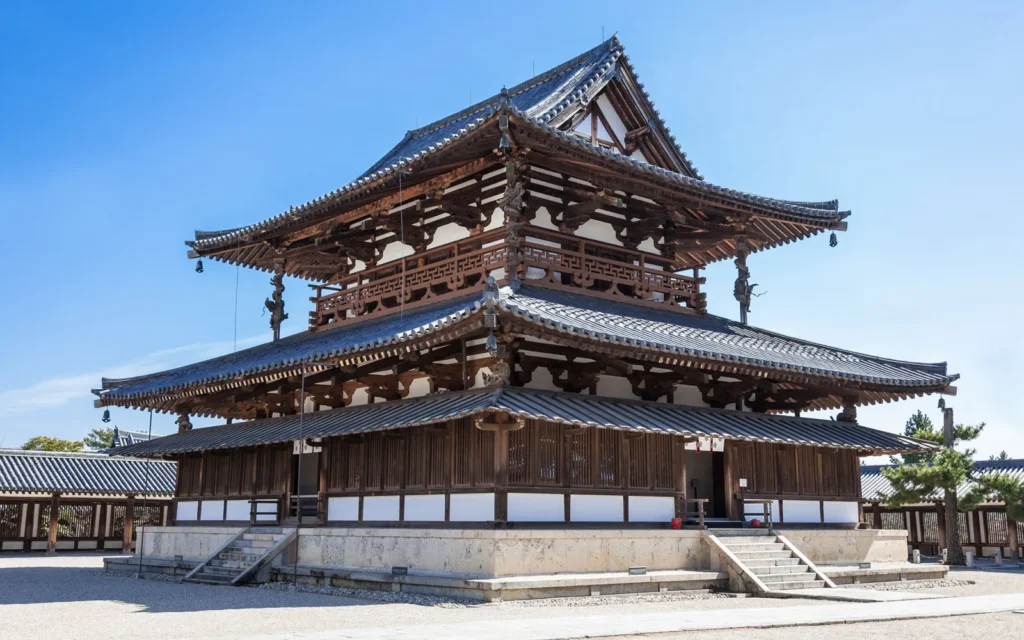
Japanese architecture emphasizes the use of natural materials such as wood, bamboo, stone, and paper to create warm, calming, and sustainable spaces. The characteristics are:
- Simplicity is at the heart of Japanese architecture, with clean lines and carefully selected furnishings.
- Traditional homes often feature sliding shoji doors, tatami flooring, gently sloping roofs, and flexible layouts that allow spaces to serve multiple purposes.
- Japanese architecture encourages a seamless relationship between indoor and outdoor spaces through large openings, verandas (engawa), inner courtyards, and carefully designed gardens.
- Examples: Todai-ji Temple in Nara, Kiyomizu-dera Temple in Kyoto, etc.
Modern Influence
Minimalist interiors, open-plan living, natural materials, indoor-outdoor integration, and sustainable design strategies are widely adopted by architects seeking to create functional and eco-friendly spaces. Architect Taku Sakaushi designed a 50 square meter home for himself and his wife in Tokyo’s Shinjuku district, intricately following the patterns of Japanese architecture.
Victorian Architecture
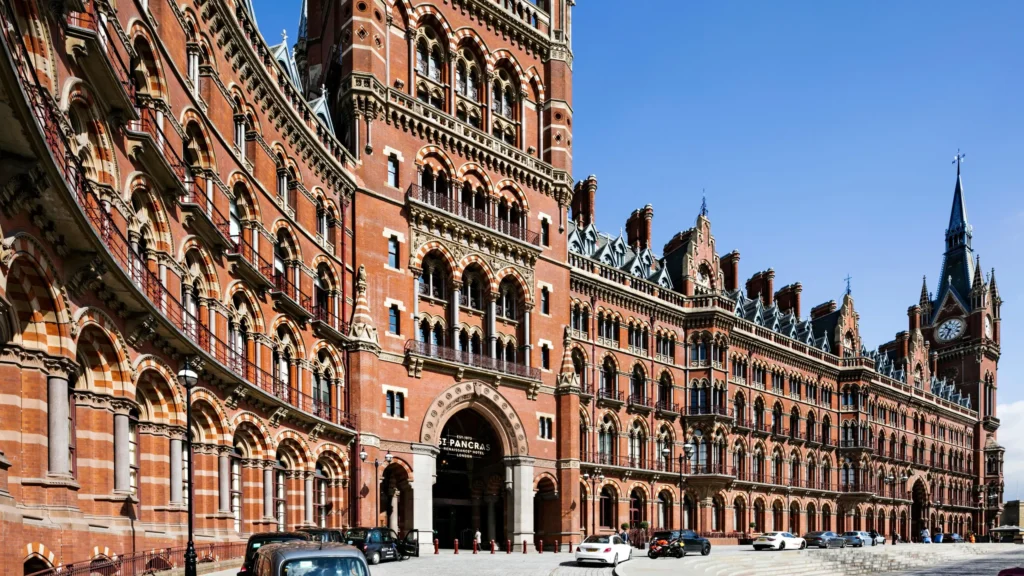
Victorian architecture, which flourished during the reign of Queen Victoria, is known for its decorative elegance. The features are as follows:
- Victorian homes often feature steep, multi-gabled roofs that create an elegant silhouette.
- Tall sash windows enhance ventilation and contribute to the building’s symmetrical appearance. The structures are visually striking and provide panoramic views.
- Victorian homes are famous for their vibrant color palettes and architectural details. This use of color emphasizes decorative features and creates an eye-catching exterior.
- Example: The Painted Ladies in the USA, the Palace of Westminster in England, etc.
Modern Influence
Victorian architecture continues to inspire modern homes through its timeless elegance and attention to detail. Many contemporary homes blend these Victorian elements with minimalist layouts and modern amenities. Mark Jensen, Founder of JENSEN Architects, transformed a Victorian home in San Francisco’s while carefully preserving its historic characteristics.
Brutalism Architecture
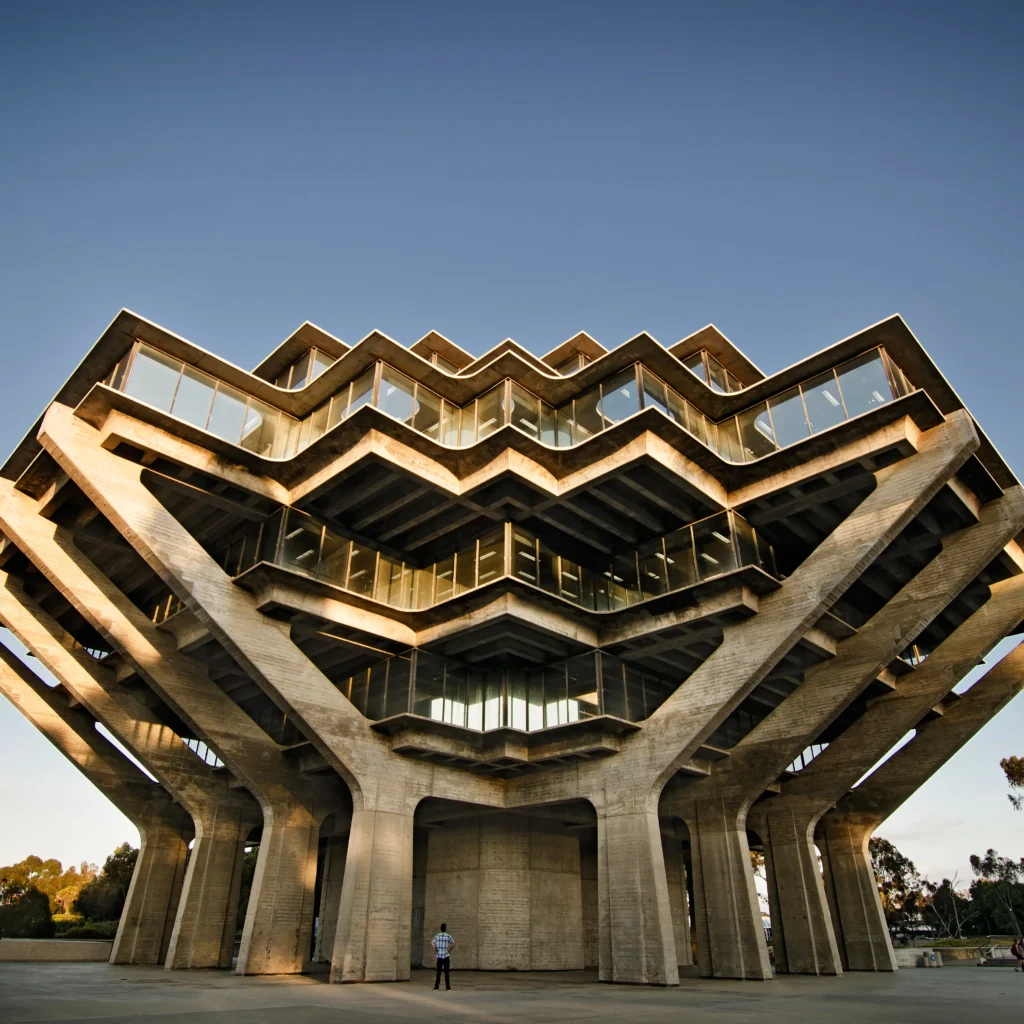
Expressing functionality and innovation, Brutalist architecture emerged in the 1950s and gained popularity through the 1970s. The characteristics are as follows;
- Brutalist architecture is characterized by massive geometric forms, exposed concrete surfaces, and an emphasis on functionality.
- Large open spaces and visible structural frameworks create a powerful, monumental appearance.
- Often inspiring strong emotions, Brutalist architecture remains one of the most divisive architectural styles of the modern age.
- Examples: Boston City Hall in the USA, Habitat 67 in Canada, etc.
Modern Influence
Homeowners often incorporate exposed concrete walls, polished cement flooring, sculptural lighting, and clean architectural lines to achieve a refined Brutalist look. Pricegore architects transformed a Brutalist townhouse into a contemporary family home while preserving its exposed concrete character and original Brutalist identity.
Renaissance Architecture
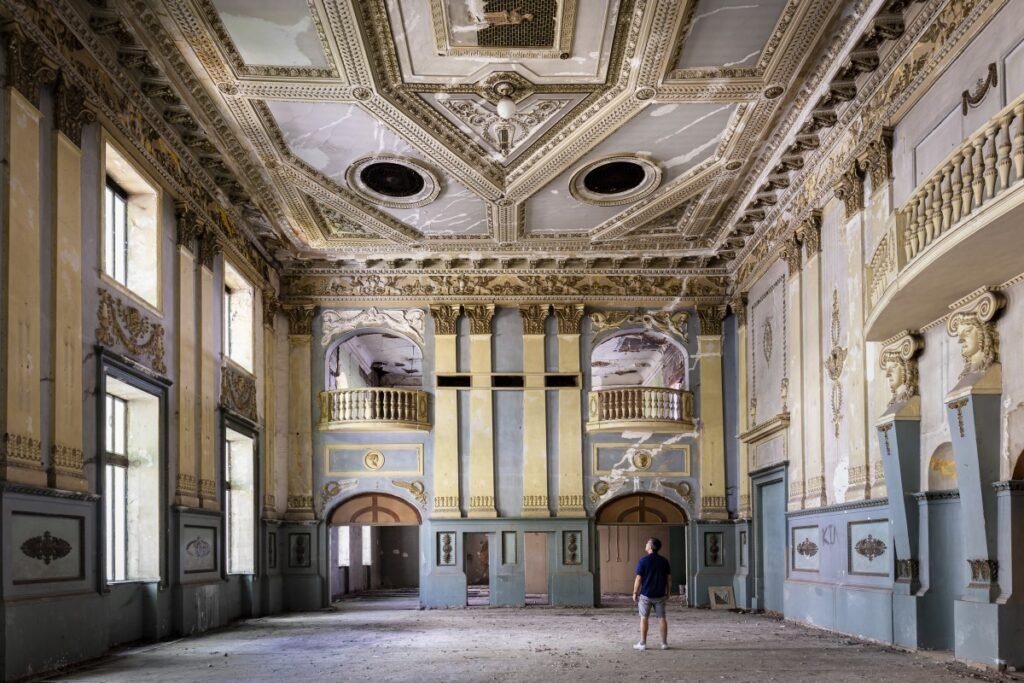
Emerged in the early 15th century, Renaissance architecture emphasizes balanced and harmonious proportions. The features are listed below.
- Large domes became symbols of engineering excellence and artistic achievement, giving a fuller and mesmerising look to the structure.
- Columns and decorative pilasters enhance the building structure by introducing rhythm and proportion. They draw inspiration from ancient Roman and Greek architecture.
- Rounded arches create graceful transitions between spaces while softening the appearance of buildings.
- Example: St. Peter’s Basilica in Vatican City.
Modern Influence
Modern homes often incorporate arched doorways, coffered ceilings, decorative columns, domed entryways, and grand staircases inspired by Renaissance design. The architectural styles and their history not only portray the beauty of the monuments, but they also engage people in knowing the history they are associated with. Architect Wayne L. Good modernized a 1916 Italian Renaissance Revival home in Chevy Chase, Maryland, while preserving its original architectural identity.
Scandinavian Architecture
This form of architecture defines minimalism, high functionality, and a seamless integration with the natural environment. The characteristics are:
- Scandinavian architecture has clean lines, open floor plans, and a strong emphasis on functionality.
- Use of materials like wood, stone, and glass creates a warm, inviting interior. Moreover, colour palettes enhance the structure’s beauty.
- Sustainable construction, energy efficiency, and a seamless connection between indoor and outdoor spaces are fundamental principles of this architectural style.
- Examples: The Oslo Opera House in Norway, Villa Mairea in Finland, etc.
Modern Influence
Natural textures, soft fabrics, indoor plants, and clutter-free interiors contribute to a warm yet minimalist aesthetic that emphasizes comfort and well-being. British architect John Pawson is widely recognized for creating homes inspired by Scandinavian and Nordic design principles, emphasizing simplicity and functional living.
Neo-Classical Architecture
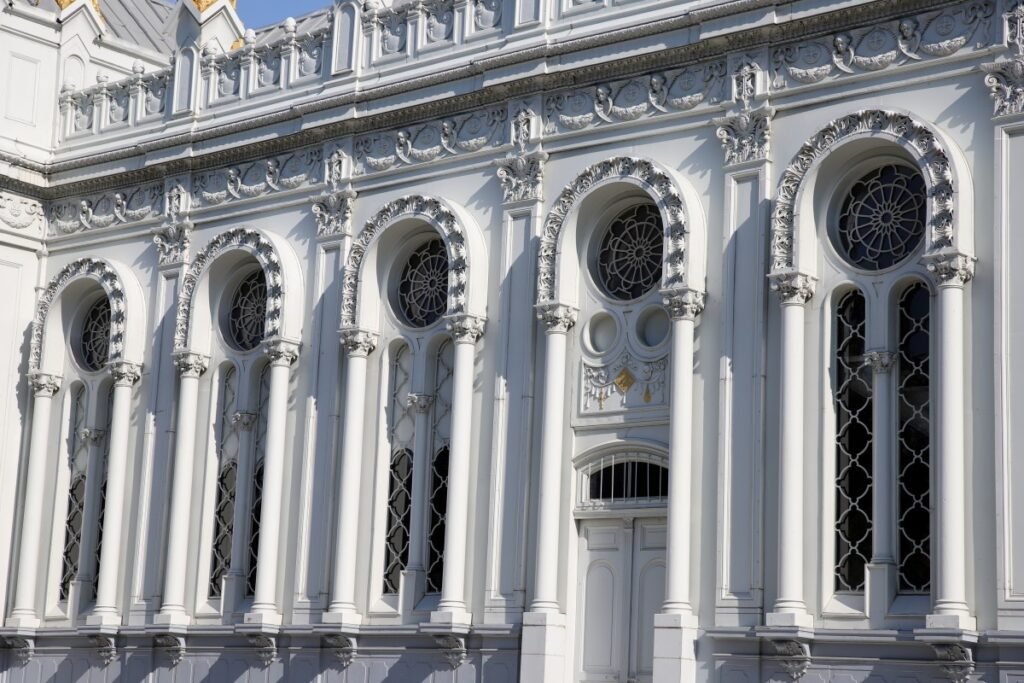
Neo-Classical architecture emerged in the mid-18th century as a revival of the architectural principles of ancient Greece and Rome. This style contains architectural design elements like:
- Symmetrical layouts, grand entrances, tall columns above doors, and porticos.
- Clean geometric lines, balanced proportions, and minimal ornamentation create an elegant and timeless appearance that can never go out of style.
- Large windows, domes, marble or stone facades, and spacious interiors further enhance its sense of grandeur.
- Example: the White House in the USA.
Modern Influence
Modern homes often incorporate grand columns, arched entryways, decorative cornices, and coffered ceilings to achieve a refined appearance. Renowned American architect Robert A.M. Stern is celebrated for reinterpreting Neo-Classical architecture in modern residential and institutional projects that have a huge relevance today.
Art Deco
Art Deco architecture emerged during the 1920s and 1930s, reflecting an era of innovation, glamour, technological progress, and modern industrial design. The features are,
- Art Deco buildings often combine symmetry with rich ornamental details, creating a distinctive look of sophistication.
- Decorative motifs such as zigzags, sunbursts, and stylized floral designs add visual interest without overwhelming the structure.
- Large windows and entrances add a look of grandeur, making it one of the most recognizable architectural forms.
- For Example, the Art Deco Historic District in the USA, the Palais de Chaillot in France, etc.
Modern Influence
While Art Deco took a steady decline in the West, it thrived until the 1950s in India, specifically in the metropolitan cities of Mumbai and Kolkata. Today, well-established furniture curators, Khoj Crafts, have also noticed a resurgence of Indo-Deco furniture, which hints at a modern interpretation of this once widespread architectural style.
Modernist Architecture

Emerged in the early 20th century, modernist architecture emphasises a timeless approach and continues to influence residential, commercial, and public buildings worldwide. The characteristics are as follows:
- Modernist architecture is extremely renowned among the different types of building styles for its clean geometric lines, open floor plans, flat roofs, and minimalist aesthetic.
- The style emphasizes functionality and simplicity
- Efficient use of space over decorative elements results in buildings that are both practical and visually refined. Materials like steel, concrete, and glass are used to highlight structural honesty.
- Example: Villa Savoye, in France, Farnsworth House, in the USA, etc.
Modern Influence
Open layouts, neutral color palettes, and minimalist furniture create bright spaces that emphasise simplicity and modern home decor. Pritzker Prize-winning architect Sir David Chipperfield is known for creating contemporary buildings rooted in Modernist principles.
Eastern Architecture vs Western Architecture
Eastern and Western architecture have evolved on different dynamics. Today, many architects blend elements from both traditions to create functional and aesthetically balanced spaces.
| Aspect | Eastern Architecture | Western Architecture |
| Design | Simple and nature-inspired | Symmetrical and structured |
| Materials | Wood, bamboo, and stone | Stone, brick, steel |
| Layout | Open and flexible spaces | Defined rooms and formal layouts |
| Features | Courtyards, sloping roofs | Columns, domes, arches, and spires |
From Classical architecture to Contemporary design, architecture is defined as an epitome of craftsmanship and creativity. Human civilization and architecture are two sides of the same coin. From the balanced proportions of Classical architecture to the innovation of Contemporary design, each style has left a lasting mark. Understanding the architectural styles inspires us to create functional and enduring living spaces.
FAQ
Q. What is the oldest architectural style in the world?
A. Classical architecture, rooted in ancient Greece and Rome, is among the oldest and most influential architectural styles.
Q. What defines architectural design styles?
A. Design styles are defined by their materials, structure, layout, decorative elements, and cultural influences.
Q. What are the newest architecture styles?
A. Contemporary, sustainable, biophilic, and smart architecture are among today’s newest styles.
Q. What is the most common house architectural style?
A. Contemporary and Modern styles are the most common choices for new homes today.
Q. Which architectural style is most popular today?
A. Contemporary architecture is currently the most popular for its simplicity and functionality.

As a lifelong DIY enthusiast, Alex Barton is never afraid to go the extra mile to save a few bucks! From seamless interior decor hacks to effective DIY home renovation tips, he shares a myriad of his experiences for you to unleash your creativity.