10 Home Features That Buyers Are Saying “No, Thanks” To in 2026
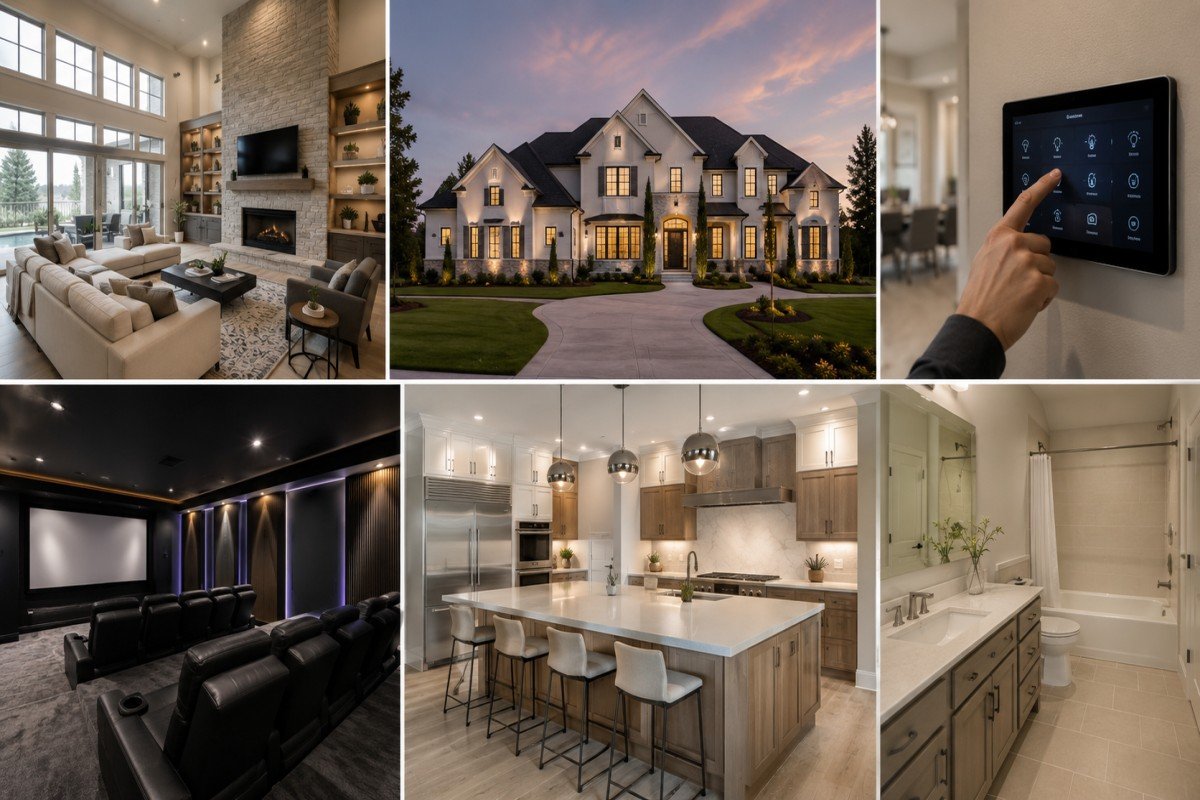
The dream home isn’t necessarily getting smaller or less luxurious. Buyers are becoming more selective about what they’re willing to maintain and pay for. Imagine you are walking through your dream home. Every corner of the house seems perfect. But then you start wondering, “Will I actually use all this space? How much time will I spend maintaining it? Can I even manage to dust that corner by the second floor without spraining my neck?” You’re not alone in thinking like this—this is how most buyers are approaching homes today.
For instance, a sprawling lawn may look beautiful, but constant upkeep can feel like a burden. So, it’s only fair to want convenience without limiting yourself to aesthetics. Let’s take a closer look at this phenomenon.
Reasons for the Shift in Homebuyers’ Preferences in 2026
Homebuyers are now making more sensible decisions. Instead of selecting a house according to its decorative appeal, they consider whether that home can improve daily living. Digital platforms and sustainable choices are making a huge difference as well, helping buyers to search for options that can fit into their budget and lifestyle.
Why Homebuyers Are More Interested in Maintenance, Efficiency, and Long-term Value
While gorgeous features are amazing at first sight, they do not always appeal to buyers. Especially when they require a lot of money and effort to maintain. Homebuyers do home inspections to stay on the safer side. Homebuyers understand the appeal of energy efficiency, sturdy materials, and worthwhile features that may save them money. The basic idea is less effort and more use.
10 Home Features That Are Being Avoided by Buyers in 2026
When it comes to buying a house, buyers are less willing to compromise on what they believe should take up their space and money. In 2026, practicality has triumphed over design and set new norms for home decor.
1. Large Living Room
The feature
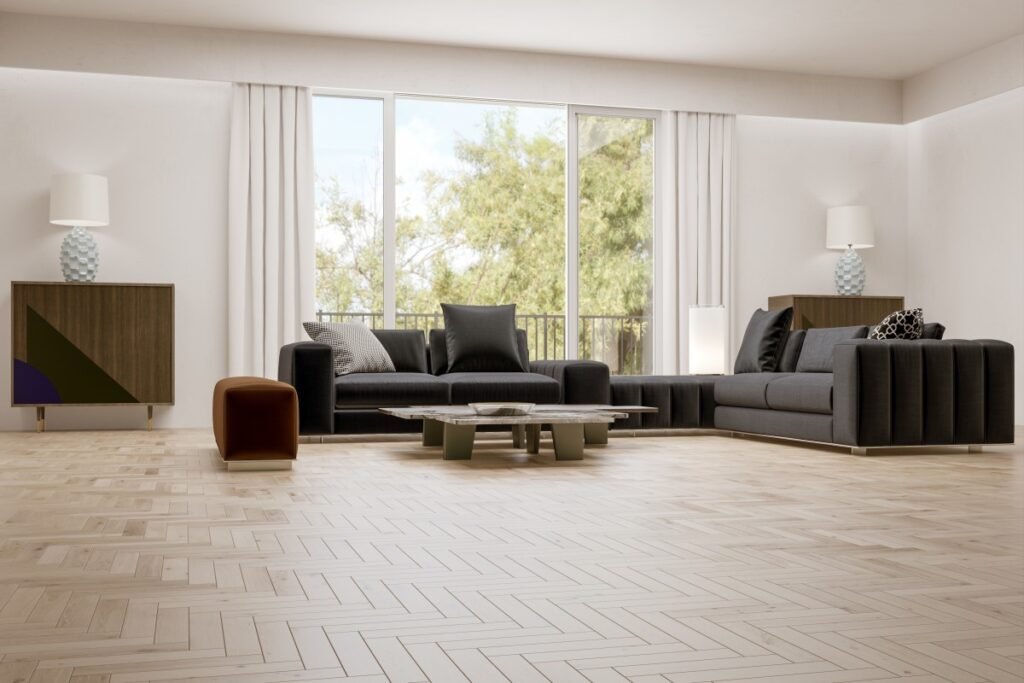
Spacious lounge areas with substantial unused floor space.
Why might buyers reconsider it?
Homeowners may not require a huge living room to do their daily tasks. A large room might feel less functional and less cozy. The furniture layout might feel empty rather than inviting.
The practical alternative
More and more buyers are searching for flexible solutions that can serve as a working area, recreational space, or kids’ playroom. For example, a flexible living area with movable furniture or clearly defined zones is a lounge and workspace in one.
2. Oversized Houses
The feature
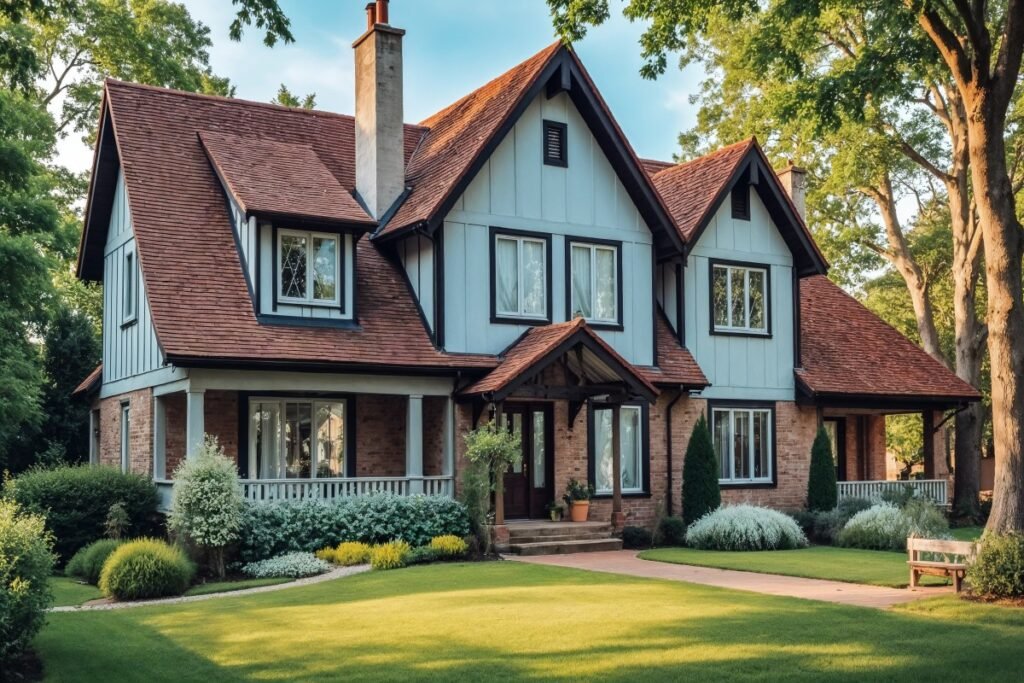
Large houses do not have the characteristics modern homes must have. Most buyers of the modern era want an optimal space instead of the maximum available size. A 2026 Redfin survey found that 44% of U.S. residents would choose a smaller home with more sunlight over a larger home with less.
Why might buyers reconsider it?
A larger home generally means more space to clean, maintain, heat, cool, and furnish. Modern buyers question whether the additional space is worth the ongoing expense before buying.
What is the practical alternative?
A right-sized home that provides enough space for everyday needs without paying for rooms that rarely get used. Buyers consider a flexible living space rather than having an extra area that has limited functionality.
3. Excessively Complicated Smart Home Systems
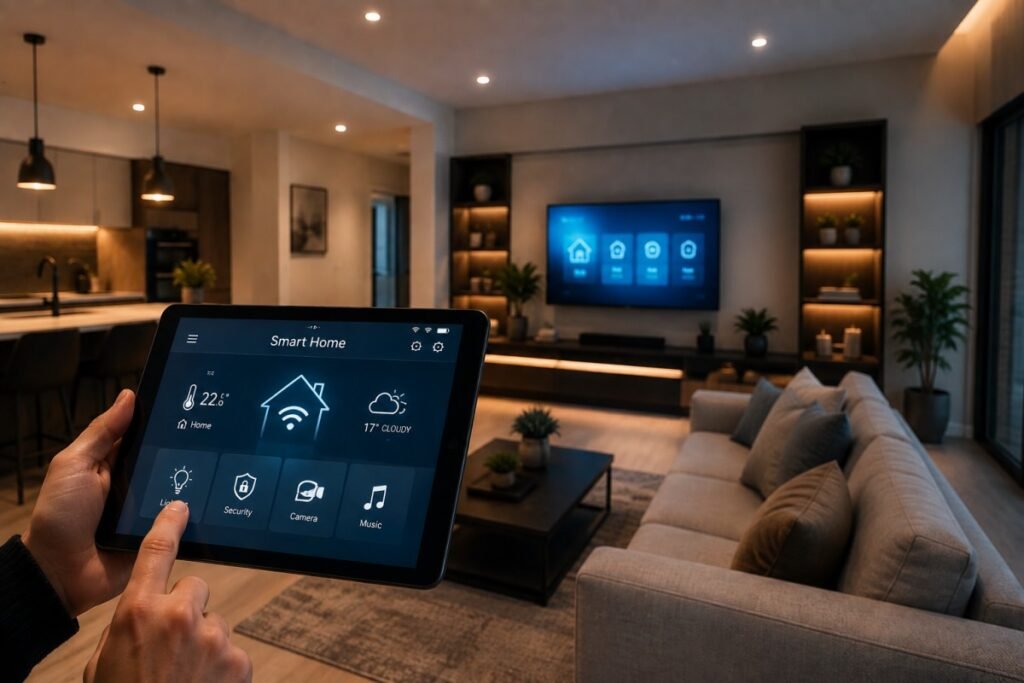
The Feature
Multiple interconnected smart devices that require different apps, settings, or complicated controls to function properly.
Why might buyers reconsider it?
Buyers aren’t necessarily chasing maximum square footage. Technology becomes frustrating when it is difficult to operate, incompatible, or dependent on other devices.
What is the practical alternative?
Convenient features that do not take much space are an important choice. For example, it’s better to choose simple, integrated smart features such as smart thermostats, lighting controls, door locks, and security systems that are easy to operate.
4. A Private Cinema Hall
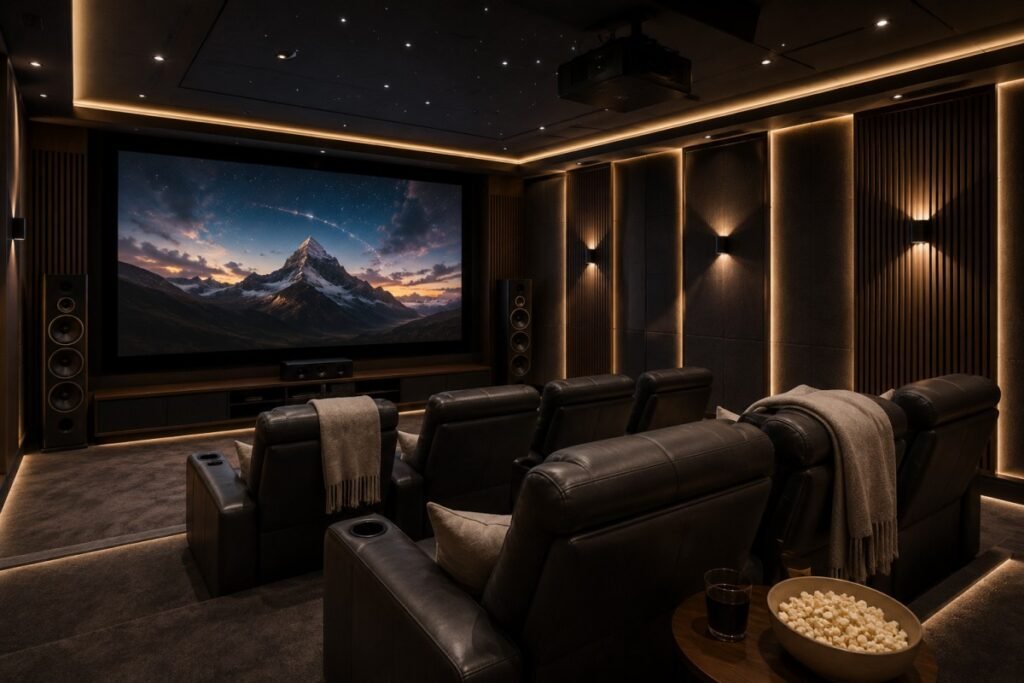
The Feature
A room theatre that is personally designed for you. While it may feel luxurious, it also means dedicating valuable living space to a room that serves a single purpose.
Why might buyers reconsider it?
Buyers who value flexibility may prefer not to dedicate an entire room to movie watching when the same space could support other activities like work, exercise, and so on. Also, most homes have smart TVs connected to the internet, which allows you to browse your favourite streaming sites. This reduces the need for a special room just to watch movies.
What is the practical alternative?
Flexible media or entertainment rooms can serve more purposes and adapt to changing needs. For example, the same room can work as a movie room in the evening and a home office during the day. This gives homeowners more usable space without dedicating an entire room to one activity.
5. Oversized Kitchen Islands
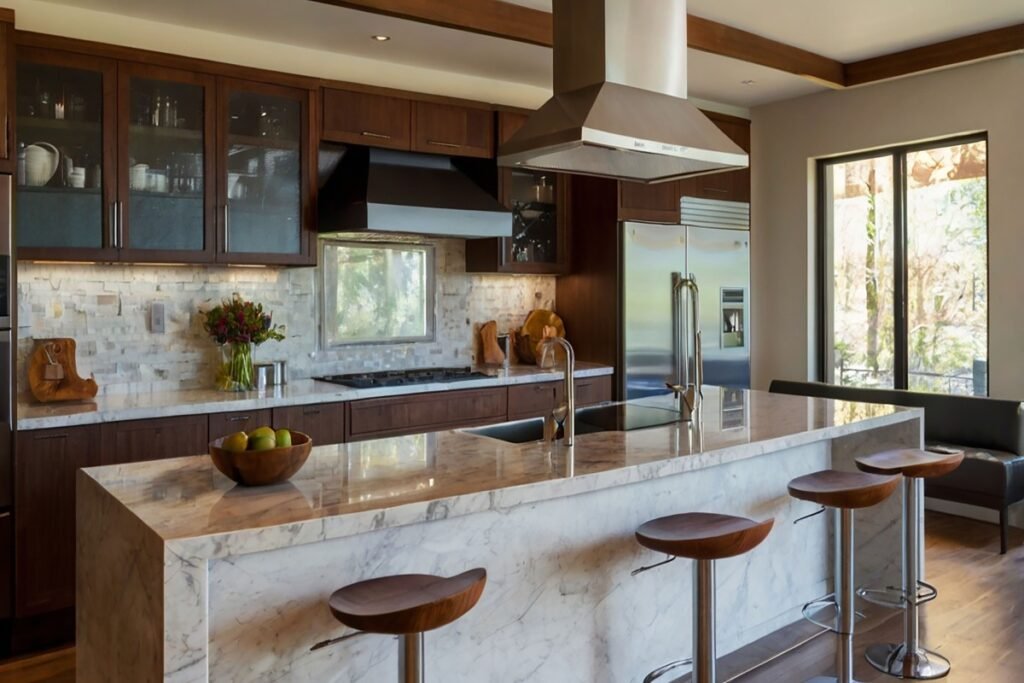
What is the feature?
Very large kitchen islands are designed to provide extensive seating, storage, and preparation space. They take up a lot of precious floor space, which is something current home buyers do not want.
Why might buyers reconsider it?
An oversized island can restrict movement and make a kitchen feel cramped, particularly in smaller homes.
What is the practical alternative?
A proportionate kitchen island that provides enough workspace and storage while leaving comfortable room for movement. For example, a compact island with built-in drawers and a small seating area can provide extra prep space and storage. Customers look for small kitchens that offer a perfect combination of work area and other kitchen activities.
6. Wall-to-Wall Carpeting
The Feature
While carpeting may provide warmth and comfort, it also comes with additional cleaning requirements. This does not cater to modern home buyers’ expectations
Why might buyers reconsider it?
Carpet can require regular cleaning and may be less convenient in homes with children or pets. Stains and wear can also make replacement more likely.
What is the practical alternative?
Pairing durable hard flooring with removable area rugs offers low-maintenance cleaning without sacrificing warmth or comfort. For instance, wood tiles provide an easy-to-clean base, while a strategically placed rug adds cozy texture to the living room.
7. Excessive Open Layouts
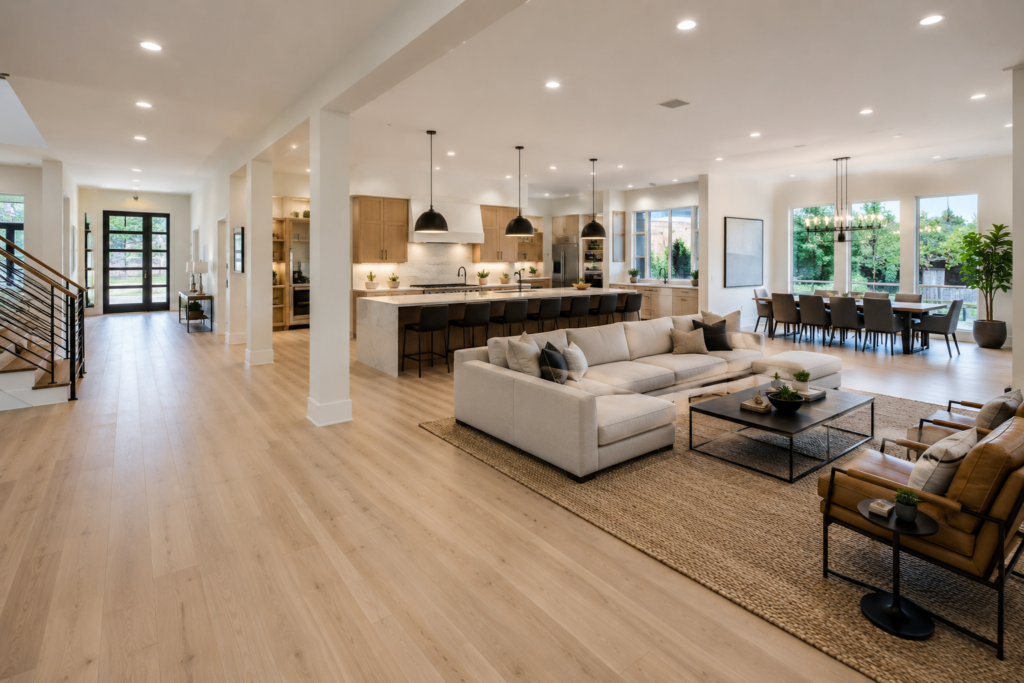
The Feature
An excessively open floor plan removes most walls and barriers between the kitchen, dining, and living areas, creating one large space.
Why might buyers reconsider it?
Open spaces can make the room feel spacious, but they also mean less privacy and fewer defined areas. For instance, cooking mess can easily disrupt the living room’s ambience. Today’s young home buyers consistently avoid features that decrease home value.
What is the practical alternative?
Open-plan living isn’t dead. But opening every room into one giant space can create noise. A semi-open layout offers the best of both worlds. For example, a kitchen can remain connected to the dining area with a glass partition.
8. Outdated Builder-Grade Finishes
The Feature
The finishes include plain cabinets, basic lighting, and inexpensive hardware, typically installed in new homes to keep construction costs down.
Why might buyers reconsider it?
The finishes can be generic or might not add character to the space. Buyers may also see them as something they will need to replace soon after moving in, adding to renovation costs.
What is the practical alternative?
Today’s buyers actively look for high-quality materials and thoughtful design details while steering clear of features that decrease home value. Instead, opt for simple, timeless finishes that are both durable and versatile, like classic wood flooring, which elevates a home’s aesthetic without requiring a major remodel.
9. High-Maintenance Landscaping

The Feature
This includes large lawns, exotic plants, and extensive gardens that require regular watering, fertilizing, and upkeep.
Why might buyers reconsider it?
Many buyers may prefer landscaping that looks polished without demanding constant pruning. High water use and seasonal maintenance can add ongoing costs, especially for buyers who prefer a low-maintenance lifestyle.
What is the practical alternative?
A climate-appropriate, easy-to-maintain landscape can be ideal for new homeowners. For example, homeowners can combine native plants and smaller lawn areas to create an attractive outdoor space that requires less water and maintenance.
10. Luxury Amenities

The Feature
Luxury features include swimming pools, wine cellars, large lawns, and so on.
Why might buyers reconsider it?
Buyers may prefer practical amenities that improve everyday comfort, efficiency, and security while matching the home style.
What is the practical alternative?
According to Redfin, buyers are moving away from luxury features and placing more value on health, safety, clean air, and climate resilience. For example, a shaded outdoor seating area or a flexible wellness space that adds luxury while remaining practical for a wider range of buyers.
Not all features that look impressive are of much importance. Here’s a quick table of design elements that are losing their appeal and the alternatives worth considering instead.
| Features buyers may reconsider | What may work better |
|---|---|
| Oversized living rooms | Flexible living spaces |
| Huge homes | Efficient layouts |
| Complex smart systems | Simple, interoperable devices |
| Private cinema | Multipurpose media room |
| Oversized kitchen islands | Right-sized islands |
| Wall-to-wall carpets | Durable hard flooring |
| Fully open layouts | Defined zones |
| Generic finishes | Durable, timeless finishes |
| High-maintenance landscaping | Low-maintenance planting |
What 2026 Buyer Data Tells Us
According to Zillow, buyers are becoming more interested in practical, personalized, and wellness-focused features rather than purely decorative upgrades. This shows that home buyers are favouring features that are beautiful and functional at the same time.
Final Takeaway
In 2026, home buyers are more concerned with whether the house will improve their quality of life than with any lavish features it may have. Features like large space or heavy maintenance can be less appealing to buyers who are looking for cozy comfort and flexibility. They generally look for houses that offer flexibility, efficiency, storage, comfort, and security, which are likely to have more staying power than yesterday’s luxury showpieces.
FAQ
1. What makes a house look outdated to buyers?
Aspects such as outdated appliances, dated finishes, poorly maintained systems, broken flooring, outdated colors, poor lighting, and excessive decorations will make the house look outdated.
2. Is open concept out of style in 2026?
Open concept is not obsolete in 2026. Although some buyers will prefer spacious areas, there are others who’d prefer more private spaces for added flexibility.
3. What home improvements give the worst return on investment (ROI)?
There isn’t one universal list because ROI varies by market and property. Highly personalized luxury additions can be harder to recoup than improvements that address condition, efficiency, or broad buyer needs.
4. Are smart home features a positive or negative for home buyers?
Smart home features can be a positive when they make everyday life easier and more flexible. For instance, buyers may appreciate features such as smart thermostats and advanced security systems. The concern is usually overly complex technology that is difficult to operate.

As a lifelong DIY enthusiast, Alex Barton is never afraid to go the extra mile to save a few bucks! From seamless interior decor hacks to effective DIY home renovation tips, he shares a myriad of his experiences for you to unleash your creativity.